 Roselyn Rodriguez
 How to Choose the Right House Painters Florida for Your Interior Project

When embarking on an interior painting project, choosing the right contractor is one of the most important decisions you’ll make. A professional painter can transform your space, while a poorly chosen contractor can lead to frustration, delays, and substandard results. Here are some key factors and tips to consider when hiring a painting contractor to ensure you select the best professional for your needs.
Assess Their Experience and Expertise
- Review Their Portfolio: Ask for photos of past projects or browse their website/social media profiles. Look for work that matches your desired style and finish.
- Consider Specialization: Some painters specialize in interior work, which often involves more attention to detail compared to exterior projects. Ensure their expertise aligns with the scope of your project.
- Years in Business: While newer contractors may still deliver quality work, longer-established businesses often have refined processes and a proven track record of success.
Verify Credentials
- Licensing: Check if they hold the required state or local licenses for painting services.
- Insurance: Ensure they carry liability insurance to protect you from potential damages during the project.
- Certifications: Look for certifications or memberships in professional organizations (e.g., PDCA – Painting Contractors Association), which indicate adherence to industry standards.
Evaluate Customer Feedback
Customer reviews provide invaluable insight into a contractor’s reliability and professionalism. You can learn about their punctuality, communication skills, attention to detail, and ability to meet deadlines by reading testimonials on platforms such as Google Reviews or Yelp. Red flags include consistent complaints about poor workmanship or unresponsiveness.
Key considerations when reviewing feedback: – Prioritize contractors with consistently positive ratings above 4 stars. – Look for detailed reviews addressing specific aspects like cleanliness or respectfulness. – Reach out directly to references provided by the contractor if possible for firsthand feedback.
Request Transparent Estimates
| Component | Details |
| Labor Costs | The expected hours required for prep work, painting, and any cleanup |
| Materials | Brands of paint used (e.g., premium vs budget-friendly options) |
| Surface Prep Work | Any additional tasks like filling cracks or sanding surfaces |
| Timeline | Start date, milestones (if applicable), and estimated completion date |
Avoid ambiguous estimates without itemized costs as these could leave room for unexpected expenses later.
Observe Communication Style
The way a contractor communicates during initial interactions often reflects how they’ll handle your project overall: – Do they respond promptly? – Are they open about discussing challenges? – Do they offer clear answers rather than vague assurances?
Contractors who prioritize transparency and professionalism will likely make your experience more seamless from start to finish.
Request Guarantees on Workmanship
Ask if the painter offers warranties on their work — this demonstrates confidence in their quality standards while providing peace of mind should issues arise post-completion.
By considering these factors carefully when hiring an interior painting contractor, you’ll greatly enhance your chances of achieving exceptional results tailored specifically toward elevating both aesthetics & functionality inside any living space efficiently yet appropriately similar towards fitting unique homeowner preferences continuously well-defined beforehand comprehensively!
Tips for Choosing a Reliable Florida House Painting Contractor
Choosing the right interior painting contractor can make a significant difference in the quality of your project. A professional and reliable contractor ensures your home receives a flawless finish and that the process runs smoothly. Here’s how to identify and select a trustworthy interior painting contractor to meet your needs.
https://largopestcontrolflusa.weebly.com
Research Local Painting Companies
Start by creating a list of potential contractors in your area. Use these methods:
– Online Searches: Look for painters with professional websites, verified business profiles, or listings on reputable platforms like Google My Business or Houzz.
– Word-of-Mouth Recommendations: Ask friends, family, or neighbors for suggestions based on their past experiences.
Verify Credentials and Professionalism for Exterior Painting
A credible interior painting contractor should have the proper credentials, which demonstrate their legitimacy as a professional service provider. Key credentials include:
– Licensing: A valid license proves they are permitted to operate in your region and comply with local regulations.
– Insurance: Ensure they carry liability insurance and worker’s compensation coverage to protect you from unexpected damages or accidents during the project.
1. Evaluate Customer Reviews and Testimonials for Interior Painting
Customer feedback provides valuable insights into the reliability of a contractor’s services. Examine reviews on platforms such as:
– Google Reviews or Yelp for honest feedback from previous clients.
– Social media pages where customers may share before-and-after photos or experiences with contractors’ professionalism.
Pay attention to patterns in reviews, especially those mentioning timeliness, communication skills, adherence to budgets, and quality of work.
2. Assess Their Experience and Portfolio
Reviewing past projects gives an idea of their experience with similar jobs:
– Ask for references from recent clients who can share firsthand experiences working with the contractor. – Request photos of completed interior painting projects that showcase precision, clean lines, and smooth finishes.
If possible, inquire whether they’ve worked on homes like yours (e.g., older properties requiring extra prep work).
3. Request Detailed Estimates
Reliable contractors provide clear estimates that outline all aspects of the project—no hidden fees or vague descriptions. A good estimate includes: | Element | Details Provided | |————————–|———————————————| | Paint Materials | Specific brand names & paint types used | | Surface Preparation | Details on sanding, priming & repairs | | Labor Costs | Hourly rates or flat fees | | Timeline | Estimated start & completion dates |
This transparency is an indicator of a trustworthy service provider.
4. Communication is Key
When contacting contractors during consultations: – Observe how promptly they respond to inquiries. – Ensure they answer questions thoroughly without rushing through explanations. – Gauge their willingness to listen carefully while understanding your vision.
Red Flags to Watch For
Avoid hiring contractors who exhibit these warning signs: – They only offer vague verbal estimates without documentation. – Lack insurance coverage or cannot provide proof upon request. – Poor online presence combined with little-to-no reviews from prior clients.
By taking these steps during your selection process thoughtfully,you’re likely minimizing risks associated with subpar options making sure highest standards are met
Positive Customer Reviews and Testimonials: Why They Matter When Choosing a Painter
Selecting the right interior painting contractor can be overwhelming with so many options available. One of the most reliable ways to evaluate a painter’s credibility and expertise is by reviewing their customer feedback and testimonials. Positive reviews serve as a powerful endorsement, offering valuable insights into the professional’s craftsmanship, communication skills, and overall reliability.
Why Are Customer Reviews Important?
- Trust and Credibility
Positive reviews act as social proof, showcasing the painter’s ability to meet client expectations. When previous customers are satisfied with their work, it’s an indicator that the professional is experienced and dependable. - Insight Into Work Quality
Detailed testimonials often provide specifics about how well the job was executed. Homeowners may talk about clean lines, attention to detail, or proper preparation techniques used during the project—key factors in assessing quality. - Transparency About Challenges
Honest reviews may also highlight how contractors handle unexpected challenges or setbacks. A professional who resolves issues efficiently and communicates effectively is more likely to deliver a stress-free experience.
What to Look for in Reviews
- Timeliness: Did the contractor complete the project within the agreed-upon time frame? Delays can disrupt your schedule significantly.
- Cleanliness: Were they respectful of your space and cleaned up thoroughly after completing their work?
- Professionalism: Were clients satisfied with their interactions? Communication matters throughout any home improvement project.
- Durability: Do reviewers mention whether the paint job has held up over time?
Where to Find Reputable Reviews
| Platform | Description |
| Google My Business | A trusted source for local business ratings and authentic customer feedback |
| Yelp | Offers detailed reviews along with user-uploaded photos of completed projects |
| Social Media Pages | Facebook or Instagram pages often feature client comments or direct feedback |
| Contractor Websites | Many painters showcase testimonials directly on their websites |
The Role of Testimonials
Testimonials are curated statements from past clients that tend to focus on specific strengths of the contractor. These can be especially effective when paired with before-and-after photos or video case studies showcasing completed projects.
Example Testimonial Features:
- “The team was prompt, courteous, and handled every detail perfectly.”
- “Our home looks transformed thanks to their expert color consultation.”
- “They ensured minimal disruption while working around our family schedule.”
When reading testimonials, look for recurring themes such as professionalism, quality craftsmanship, and exceptional customer service.
Red Flags in Reviews
- Multiple complaints about missed deadlines
- Reports of poor communication during the project
- Concerns regarding hidden charges or unclear pricing
These issues could signal that a contractor may not meet your expectations.
How Reviews Influence Decisions
Customer reviews provide real-world experiences that can’t be duplicated by advertising alone. By reading both positive feedback and constructive criticism carefully, you’ll gain a deeper understanding of what working with a particular contractor might look like—empowering you to make a confident choice for your interior painting needs.
Positive Customer Reviews and Testimonials: Why They Matter When Choosing a Painter
When selecting an interior painting contractor, positive customer reviews and testimonials are critical factors to consider. They provide valuable insights into the quality of work, professionalism, and reliability of a painter or painting company. Reviews from previous clients can help you make an informed decision by addressing potential concerns and highlighting key strengths of the service provider. Below is an in-depth look at why reviews matter and how to evaluate them effectively.
Why Are Customer Reviews Important?
- Authenticity: Genuine reviews from previous clients reflect real experiences, giving you a clear picture of what to expect.
- Quality Assurance: High ratings and positive testimonials often indicate consistent delivery of excellent results.
- Trustworthiness: A contractor with numerous satisfied clients demonstrates credibility and reliability.
- Problem Identification: Negative feedback can reveal potential red flags such as poor communication, delays, or subpar workmanship.
How to Evaluate Reviews Effectively
- Read Both Positive and Negative Feedback
Focus on patterns rather than isolated comments. Multiple complaints about similar issues (e.g., poor punctuality or lack of attention to detail) may indicate a systemic problem. - Look for Specific Details
A detailed review describing specific aspects of the project—such as timeliness, communication style, or quality of materials—carries more weight than generic praise like “great job” or “highly recommend.” - Check for Recent Feedback
Look for recent reviews that reflect the contractor’s current level of service. Older feedback may not accurately represent their performance today. - Verify Authenticity
Be cautious about overly glowing reviews that seem generic or vague. Authentic reviewers will typically share personalized details about their experience. - Use Multiple Platforms
Check reviews across various platforms such as Google Reviews, Yelp, Houzz, Facebook, or even industry-specific websites like Angie’s List to get a broader perspective.
Benefits of Positive Testimonials
| Benefit | Explanation |
| Professionalism | Satisfied customers often emphasize professional behavior from contractors |
| Attention to Detail | Highlighting flawless finishes or cleanliness during projects |
| Communication Skills | Praise for clear updates throughout the project timeline |
| Timely Completion | Testimonials mentioning adherence to deadlines |
| Long-lasting Results | Customers noting durable paintwork over time |
Where to Look for Testimonials
- Visit their website’s testimonial section
- Browse social media pages or profiles
- Check independent review platforms
- Ask the contractor directly for references from previous projects
Additional Tips
- Take note if the painting contractor responds professionally to negative feedback; this shows accountability.
- Consult before-and-after photos shared by previous clients alongside their testimonials.
- Contact references when provided to ask specific questions regarding their experience.
By prioritizing contractors with strong positive reviews paired with transparent communication, you are better positioned to select a professional who delivers high-quality results tailored to your needs.
Transparent Contracts and Detailed Project Estimates for Interior Painting Services
When hiring an interior painting contractor, understanding the importance of transparent contracts and detailed project estimates is critical. These documents not only protect you as a homeowner but also ensure that both parties have clear expectations regarding the scope of work, costs, and timelines.
Key Elements of a Transparent Contract
- Project Scope: A detailed description of what the contractor will do, including preparation work (e.g., sanding, priming), the number of coats to be applied, and cleanup procedures.
- Materials: An itemized list specifying paint brands, types (e.g., matte, satin), colors, and other materials such as primers and protective coverings.
- Timeline: Start and end dates for the project along with an estimated timeline for each phase.
- Costs: A breakdown of labor charges, material costs, fees for additional services (if any), and applicable taxes.
- Payment Terms: Details about deposits required upfront, installment schedules (if applicable), and accepted payment methods.
- Warranties/Guarantees: Information on workmanship warranties or guarantees offered by the contractor to address potential issues after project completion.
Benefits of Detailed Project Estimates
- No Surprise Costs
A thorough estimate ensures there won’t be unexpected charges midway through the project. - Easier Budget Planning
With all expenses laid out in advance, you can align your budget with the projected costs. - Comparison Shopping
When requesting quotes from multiple contractors, detailed estimates allow for accurate comparisons based on scope rather than vague overviews.
What to Look For in a Quality Estimate
| Component | Questions to Ask |
| Material Costs | Are high-quality paints included? |
| Labor Charges | Is labor charged hourly or at flat rates? |
| Prep Work | Does this cover wall repairs or priming? |
| Cleanup | Are post-project cleaning services included? |
Red Flags in Contracts or Estimates
- Vague language or missing details about key aspects like materials or timelines.
- An unusually low estimate compared to industry standards — this may indicate poor quality materials or inexperienced labor.
- High-pressure sales tactics urging you to sign immediately without reviewing terms thoroughly.
Tips for Ensuring Transparency
- Request written documentation — verbal agreements should always be put into writing.
- Clarify any ambiguous terms before signing.
- Review cancellation policies in case unforeseen circumstances arise.
By prioritizing transparency in contracts and estimates when hiring an interior painter, you increase your chances of achieving a stress-free renovation experience while ensuring professional results tailored to your home’s unique needs.
Use of High-Quality Materials and Professional Tools in Interior Painting Projects
When it comes to interior painting projects, the quality of materials and the tools used play a significant role in the final outcome. Ensuring that your painter uses premium resources and professional-grade equipment not only impacts the aesthetics of your home but also influences durability and overall satisfaction.
Benefits of High-Quality Materials
- Enhanced Finish: Premium paint provides a smoother, more consistent finish compared to cheaper alternatives.
- Durability: Superior paints resist peeling, fading, and cracking over time, ensuring that your walls look fresh for years.
- Better Coverage: High-quality paints require fewer coats, which can save time and reduce labor costs in the long run.
- Eco-Friendly Options: Many top-tier paints have low or zero volatile organic compounds (VOCs), making them safer for your health and better for the environment.
| Paint Type | Key Features | Best For |
| Acrylic Latex Paint | Low VOCs, quick drying, durable | Walls, trim |
| Satin or Eggshell Finish | Smooth finish with moderate sheen | Living rooms, hallways |
| Washable Matte Paint | Flat look but easy to clean | Bedrooms |
Importance of Professional Tools
- Paintbrushes: High-end brushes made from synthetic or natural fibers ensure even application.
- Rollers: Quality rollers provide smooth coverage with fewer streaks or roller marks.
- Painter’s Tape: Professional painters use premium masking tape to achieve sharp edges without bleeding.
- Drop Cloths and Plastic Sheeting: These protect floors and furniture from unwanted drips or splatters.
- Ladders and Scaffolding: Proper equipment ensures safety when working at heights.
Why It Matters
- Longevity: Poor-quality paints may require frequent touch-ups, while professional-grade options last longer.
- Precision Workmanship: Adequate tools allow painters to perfect details such as edges, trims, or intricate patterns.
- Cost Efficiency Over Time: While premium materials might have higher upfront costs, they reduce maintenance expenses by lasting longer.
Questions to Ask Your Contractor About Materials & Tools
- What brands of paint do you typically use? Are they known for their durability?
- Do you have experience working with low-VOC or eco-friendly paints?
- Can you show examples of previous projects completed using similar materials?
- What kind of tools will be used on my project? Will they ensure precise results?
By prioritizing high-quality supplies alongside expert craftsmanship, you can transform your interior spaces into beautiful yet functional environments that stand the test of time while reflecting your personal style. Always collaborate with contractors who value professionalism in both technique and material selection for optimal outcomes.
The Role of a Paint Colour Consultant in Transforming Your Home’s Interiors
When it comes to interior painting, choosing the right colors is often the most challenging part of the process. This is where a paint colour consultant plays a pivotal role. These professionals bring expertise, creativity, and an understanding of design principles to help you select shades that complement your space while reflecting your personal style.
What Does a Paint Colour Consultant Do?
- Color Selection: They help you choose the perfect color palette for each room.
- Lighting Evaluation: They analyze how natural and artificial lighting affects the appearance of colors in your space.
- Style Matching: Consultants ensure that the chosen colors align with your existing furniture, décor, and overall aesthetic.
- Trends Guidance: They stay updated on current design trends while keeping timeless styles in mind.
Benefits of Working with a Paint Colour Consultant
- Expertise in Color Psychology
Consultants understand how different colors influence mood and behavior. For example: - Warm tones like yellows or oranges create a cozy, inviting atmosphere.
- Cool tones like blues or greens promote calmness and relaxation.
- Avoid Costly Mistakes
Choosing the wrong shade can lead to costly repainting or dissatisfaction with results. A consultant minimizes this risk by narrowing down options tailored specifically to your needs. - Customization for Your Space
Every home is unique, from its layout to its light exposure. A consultant provides custom recommendations rather than generic advice. - Enhanced Resale Value
A well-coordinated color scheme enhances curb appeal for prospective buyers if you’re planning to sell your home.
How to Choose the Right Paint Colour Consultant
| Factor | Questions to Ask |
| Experience | How many years have they worked as a consultant? |
| Portfolio | Can they provide examples of past projects they’ve completed? |
| Client Reviews | Are there positive testimonials from satisfied clients? |
| Certifications | Do they have relevant qualifications in design or color theory? |
Tips for Collaborating with Your Consultant
To make the most out of this partnership: – Share photos of inspiration or ideas you have for each room. – Be clear about your budget constraints upfront. – Communicate any personal preferences or dislikes regarding certain hues. – Trust their expertise but ensure all decisions resonate with your vision.
By leveraging their knowledge and creative insight, paint colour consultants bridge the gap between functionality and aesthetics — turning ordinary spaces into extraordinary interiors that feel like home.
Questions to Ask Before Signing an Agreement with an Interior Painting Contractor
When hiring an interior painting contractor, it is crucial to ensure that you are making a well-informed decision before committing to a legally binding agreement. Asking the right questions can save you from unexpected issues, miscommunication, and subpar results. Below is a guide to the essential questions every homeowner or business owner should ask before signing an agreement.
1. Are You Licensed and Insured?
A professional painting contractor should have all the necessary licenses and insurance to operate in your area. Confirming this protects you from liability in case of accidents or damage during the project. Key points to clarify include:
– Licensing: Check if their business license is up-to-date according to local regulations. – Insurance Coverage: Ensure they have both general liability insurance and workers’ compensation coverage.
2. Can You Provide References or Customer Testimonials?
Reputable contractors often have a portfolio of past projects and references from satisfied clients. Ask for:
– Contact details of previous clients who can vouch for their work. – Examples of completed projects similar in scope to yours. – Online reviews on platforms like Google, Yelp, or Houzz for additional insights.
3. What’s Included in the Estimate?
Request a written estimate that breaks down costs clearly. This helps avoid misunderstandings about pricing or services provided. Look for clarity on:
– Labor costs. – Materials (types and brands of paint). – Preparation work (e.g., patching holes, sanding surfaces). – Cleanup after completion.
Sample Cost Breakdown Table
| Cost Component | Description | Estimated Percentage (%) |
| Labor | Painter’s hourly rate or fixed fee | 50–60% |
| Materials | Paint, primers, brushes, rollers | 25–35% |
| Preparation Work | Surface cleaning/preps | 10–15% |
4. What Is Your Timeline for Completion?
Get clarity on how long the project will take from start to finish:
– Start Date: When will they begin work?
– Completion Deadline: How long do they expect the job to take?
Ensure specific deadlines are included in the agreement to avoid delays.
5. Do You Offer a Warranty for Your Work?
A reliable contractor stands behind their craftsmanship with warranties covering paint failure, cracking, peeling, or improper application. Important details include:
– Length of warranty (e.g., one year).
– Specific issues covered under the warranty terms.
6. How Do You Protect Furniture and Flooring During Painting?
Confirm what steps they will take to safeguard your property while working indoors:
– Use of drop cloths and plastic sheeting for furniture protection. – Proper masking tape application around trims and edges.
7. Will You Handle Surface Preparations Thoroughly?
Preparation is key to achieving smooth results when painting interiors. Ask about tasks such as:
– Repairing wall imperfections (holes, cracks).
– Cleaning surfaces prior to applying paint.
By addressing these critical points upfront with your prospective interior painting contractor, you can secure peace of mind knowing that expectations are clear from both sides before any work begins. A thorough discussion also demonstrates professionalism on their part while empowering you as an informed client.
- How to Choose the Right House Painters Florida for Your Interior Project
- How House Painters Florida Can Enhance the Interior of Your Home
- Top Reasons to Hire a Licensed Painting Company for Your Interior Project
- Top Reasons to Hire House Painters Florida for Your Home
- A Complete Guide to Selecting the Right Paint Type and Finish for Your Home
- A Comprehensive Guide to Choosing the Right Painting Company for Your Business
- Essential Tips for Hiring Professionals for Exterior Painting
- Transform Your Home with Expert House Painters Florida Residents Trust
How House Painters Florida Can Enhance the Interior of Your Home
Expertise in Color Selection
Choosing the right color palette can be overwhelming with the vast options available. Professional painters bring a wealth of knowledge about colors, tones, and finishes that work well together. They consider factors such as natural lighting, existing décor, and room dimensions to recommend colors that enhance both mood and style.
- Warm Colors: Ideal for creating inviting spaces like living rooms or dining areas (e.g., soft yellows or muted reds).
- Cool Colors: Perfect for soothing spaces such as bedrooms or offices (e.g., calming blues or neutral grays).
- Accent Walls: Adding a bold shade to one wall creates visual interest without overwhelming the room.
Professional Application Techniques
- Surface Preparation: This includes cleaning, sanding, priming, and repairing cracks or holes for a smooth finish.
- Consistent Coverage: Skilled painters avoid drips, brush marks, or uneven coats by using specialized tools like rollers with appropriate nap lengths or high-quality brushes.
- Edge Precision: Clean lines at corners and edges provide a polished look that DIY efforts often lack.
Customization Options
Professional painting services allow for customization tailored to your preferences. Whether it’s textured walls, unique patterns like stripes or chevrons, decorative finishes such as faux painting techniques (e.g., marbleizing), or trendy metallic accents—experts can bring creative ideas to life with precision.
Enhanced Durability
| Paint Finish Type | Best Applications | Advantages |
| Matte/Flat | Bedrooms & ceilings | Hides imperfections but less durable |
| Satin | Living spaces | Easy-to-clean finish with subtle shine |
| Semi-gloss | Kitchens & bathrooms | Highly durable; resists moisture |
| Gloss | Trim & furniture | Reflective surface; very easy to clean |
Time Efficiency
Painting an entire home interior is time-intensive when done alone. Hiring professionals means you save valuable time while ensuring every detail is addressed accurately from start to finish.
Improving Atmosphere & Space Perception
- Lighter shades make small rooms appear larger.
- Darker tones add depth and coziness.
- Neutral hues create balance for minimalist designs.
By entrusting this task to skilled professionals who understand these nuances, you’ll achieve an ambiance that perfectly suits each room’s purpose.
Incorporating professional painting services into your next renovation project ensures not only aesthetic enhancement but also practicality through expert execution tailored specifically toward improving both form and function within any given area inside your house.
The Benefits of Hiring Skilled Professionals for Florida House Painting
Hiring skilled interior painters can transform your living spaces while saving you time, effort, and potential frustration. Professional painters bring expertise, attention to detail, and high-quality results that are often difficult to achieve on your own. Below, we explore the various benefits of choosing skilled interior painters for your home improvement project.
Professional Surface Preparation by a Trusted Painting Company
One of the key advantages of working with professional painters is their ability to properly prepare surfaces before applying paint. This step is crucial for achieving a smooth and long-lasting finish. Tasks that skilled painters handle include:
– Filling cracks and holes
– Sanding uneven areas
– Cleaning walls to remove dirt or grease buildup
– Applying primer for better paint adherence
Proper preparation ensures the final result looks flawless and stands the test of time.
Expert Tips for Choosing High-Quality Materials for Exterior Painting
Professional painters typically have access to premium paints, tools, and supplies that may not be readily available to the average homeowner. These products often offer superior coverage, durability, and aesthetic appeal compared to budget options found in stores. Additionally, experienced painters have the knowledge to recommend the best materials based on:
– Room type (e.g., high-moisture areas like bathrooms or kitchens)
– Desired finish (e.g., matte, satin, or gloss)
– Color schemes that complement your existing décor
This level of expertise helps ensure you get a polished look tailored specifically to your space.
Efficient Interior Painting Tips to Save Time
Painting a room may seem straightforward but can quickly become a time-consuming project if you’re inexperienced. Skilled interior painters work efficiently due to their training and familiarity with a variety of painting techniques. Their ability to complete jobs within agreed-upon timelines reduces disruption in your daily life.
Enhanced Aesthetic Appeal
Interior painting is more than just applying paint—it’s about creating a cohesive design that enhances your home’s atmosphere. Professional painters can help you select colors and finishes that align with current trends while reflecting your personal style. They also have experience with advanced techniques like:
– Accent walls for added depth
– Faux finishes such as marble or woodgrain effects
– Color blocking for modern designs
The result is a visually appealing interior that feels both unique and professionally curated.
Increased Property Value
A well-painted interior can significantly boost your home’s market value by improving its overall appearance. Prospective buyers are more likely to find bright, fresh interiors inviting compared to dull or poorly painted walls with visible imperfections.
| Feature | DIY Painting | Professional Painters |
| Surface Preparation | Basic | Comprehensive |
| Material Quality | Standard store brands | Premium brands |
| Time Required | Longer | Shorter |
| Aesthetic Expertise | Limited | Advanced |
| Durability | Moderate | Long-lasting |
Stress-Free Experience
Painting projects often involve unexpected challenges such as uneven coatings or color mismatches. When hiring skilled professionals, homeowners avoid these issues thanks to their ability to troubleshoot problems effectively and deliver consistent quality results every time.
By investing in expert services rather than attempting DIY solutions, homeowners gain peace of mind knowing their interiors will be painted flawlessly while avoiding unnecessary stress during renovations.
How Professional Painters Improve Aesthetics and Increase Home Value
Elevated Aesthetic Appeal
- Color Expertise: Professional painters understand color theory and can help you choose shades that complement your furnishings, lighting, and décor.
- Smooth Finishes: They use advanced techniques to achieve even coatings without streaks or imperfections.
- Accent Walls: Professionals can create focal points with accent walls or specialized finishes like textured paints or faux finishes for added character.
- Attention to Detail: Skilled painters focus on small details like clean edges and seamless transitions between surfaces for a polished look.
Increased Home Value
- Homes with well-maintained interiors tend to sell faster in real estate markets. Freshly painted rooms convey cleanliness and care, leaving lasting impressions on potential buyers.
- Professional painters often recommend neutral tones (e.g., whites, beiges, greys) that appeal broadly across different buyer preferences.
- A quality paint job can highlight unique architectural details like crown molding or wainscoting while masking imperfections such as wall cracks or discoloration.
- Professionals use high-quality products designed for durability, reducing wear-and-tear over time—an attractive feature for homeowners looking to avoid frequent repainting.
Professional Techniques That Make a Difference
| Technique | Purpose | Impact |
| Cutting-In | Creating sharp lines at edges/corners | Clean separation between walls/ceilings |
| Priming Surfaces | Preparing surfaces before painting | Enhances adhesion & provides an even base for topcoats |
| Paint Spraying | Ideal for large areas like ceilings/walls | Provides uniform coverage efficiently |
| Layering Coats Properly | Applying base & top coats sequentially | Prevents chipping/peeling overtime when dried correctly |
Why DIY May Fall Short Compared To Professionals
While it may be tempting to take on painting projects yourself as a cost-saving measure—it often leads people toward underwhelming results due various challenges like uneven textures/paint bleeding issues which skilled tradespeople overcome easily through experience-backed approach . Avoiding such mistakes ensure aesthetics truly reflect refinement boosting both livability resale potentials property .

Tips for Selecting the Right Interior Painting Service for Your Project
Selecting the right interior painting service is critical to ensuring your home or space achieves a polished and professional finish. With so many options available, it can be challenging to make an informed decision. Below are some key tips to help guide your selection process.
Research and Reviews
Begin by researching local painting companies and reading customer reviews. Online platforms such as Google Reviews, Yelp, or even social media pages can provide insight into customer experiences. Look for trends in feedback, such as consistent praise for attention to detail or professionalism, as well as red flags like poor communication or subpar results.
- Check multiple sources: Relying on one review platform may not give you the full picture.
- Look for detailed reviews: Focus on reviews that provide specifics about the painter’s quality of work and reliability.
Verify Licenses and Insurance
Ensure that the painting service you’re considering is licensed and insured. This protects you from liability should any accidents occur during the project and ensures compliance with local regulations.
| Credential | Why It’s Important |
| Licensing | Confirms painters meet state or local standards for professional workmanship |
| Liability Insurance | Protects in case of damage to your property during the project |
| Workers’ Compensation | Covers injuries sustained by workers while on your property |
Ask About Experience
Not all painters are equally skilled or experienced in interior projects. Look for professionals who specialize in residential interiors or have a portfolio showcasing diverse styles and finishes.
- Years of experience: Opt for companies with proven track records.
- Specializations: Ask if they handle specific techniques like textured walls, faux finishes, or accent walls.
Request References
A reputable painting company should have no issue providing references from past clients. Speaking directly with previous customers gives you an honest perspective on their reliability and quality of work.
Some questions to ask references include:
1. Was the project completed on time?
2. Did they stay within budget?
3. Were there any unexpected issues, and how were they resolved?
Understand Their Process
Discuss how the painters prepare surfaces, apply paint, and ensure clean-up after completing their work. A quality service will prioritize proper preparation steps such as sanding, priming, patching holes, and protecting furniture.
Key aspects of a professional process:
– Surface preparation (e.g., cleaning walls thoroughly before application).
– Use of high-quality paints suited for indoor spaces (e.g., low-VOC formulations).
– Attention to detail during both application and cleanup phases.
Compare Quotes but Avoid Choosing Solely Based on Price
While cost is an important factor, don’t automatically select the lowest bid without considering other aspects like reputation, experience, and quality guarantees. A slightly higher cost may be worth it if it ensures long-lasting results that match your vision.
| Factor | What to Consider |
| Scope of Work | Does it outline everything included—prep work, number of coats applied? |
| Materials | Are high-quality paints/tools specified in the estimate? |
| Timeline | Is there a clear deadline provided? |
| Warranties/Guarantees | Does the company offer assurances against peeling or fading over time? |
Communicate Expectations Clearly
Finally, ensure clear communication about what you want before signing any contract. Share details about colors, finishes (e.g., matte vs gloss), areas needing extra attention, or any specific concerns upfront so there’s no confusion later.
By taking these steps when selecting a painter for your interior project, you’ll increase your chances of achieving beautiful results that enhance both aesthetics and comfort within your home environment while avoiding common pitfalls associated with rushed decision-making processes.
Common Misconceptions About Hiring Professional Interior Painters
When it comes to hiring professional interior painters, many homeowners have preconceived notions or misunderstandings that often prevent them from making informed decisions. Dispelling these myths can help you better evaluate the value of professional painting services and make the right choice for your home improvement project.
Misconception 1: Professional Painting Services Are Too Expensive
One of the most common misconceptions is that hiring a professional painting service is too costly compared to doing it yourself. While the upfront fees may seem higher, the long-term benefits often outweigh the costs.
Here’s why:
– Time Savings: Professionals complete projects faster than untrained individuals, saving days or even weeks of labor.
– Quality Assurance: Expert painters use premium tools and techniques for lasting results, reducing future repainting expenses.
– Avoiding Mistakes: DIY errors like uneven coats or paint drips may lead to unexpected additional costs for corrections.
In reality, a professionally completed paint job can be an investment that enhances home value while saving time and frustration.
Misconception 2: Painting Is a Simple DIY Task
- Surface Preparation: Professionals spend significant time prepping walls by cleaning, sanding, patching holes, and priming surfaces for optimal adhesion and longevity.
- Paint Selection Expertise: Choosing the right paint type, finish (e.g., matte vs glossy), and color scheme requires experience to ensure durability and aesthetic appeal.
- Advanced Techniques: Tasks such as cutting in edges or creating textured finishes take precision and expertise that come with years of practice.
A professional painter’s attention to detail ensures consistency in coverage and an impeccable finish—something many DIY projects fail to achieve.
Misconception 3: All Painting Services Are the Same
Assuming all painters provide identical services can lead to poor decisions when choosing a contractor. In reality, service quality varies widely depending on factors such as experience, qualifications, and customer service practices.
When evaluating painters: – Ask for references or view samples of their previous work. – Ensure they are licensed and insured. – Check online reviews or ratings on reputable platforms. – Confirm they offer warranties for their work—this demonstrates confidence in their craftsmanship.
Taking these steps ensures you’re selecting skilled professionals who align with your expectations rather than assuming all services meet the same standards.
Misconception 4: Professionals Only Handle Large Projects
Another false belief is that professional interior painters only take on large-scale projects like full home repaints or office spaces. In truth, many reputable companies readily accept smaller jobs such as accent walls or single-room updates.
Hiring professionals for smaller tasks has distinct advantages: – Ensures seamless integration with existing décor. – Saves time compared to attempting a partial DIY effort. – Delivers polished results regardless of project size.
Homeowners should feel confident consulting professionals even for minor touch-ups or upgrades—they bring the same level of care regardless of scope.
Misconception 5: You Lose Creative Control When Hiring Professionals
Some individuals worry that hiring a painter will limit their creative input into color selection or design choices. On the contrary, most experienced painters collaborate closely with clients throughout the process to ensure satisfaction.
Ways professionals support creativity: 1. Offering expert advice on color pairings based on room lighting and purpose. 2. Providing paint samples so homeowners can visualize their options before committing. 3. Using custom techniques (e.g., faux finishes) upon request.
Rather than diminishing creativity, partnering with professionals can refine your vision using their industry knowledge while maintaining your personal style preferences.
By addressing these misconceptions about hiring professional interior painters, homeowners can better understand how these services provide practical benefits while allowing room for collaboration and customization tailored to individual needs.
- How to Choose the Right House Painters Florida for Your Interior Project
- How House Painters Florida Can Enhance the Interior of Your Home
- Top Reasons to Hire a Licensed Painting Company for Your Interior Project
- Top Reasons to Hire House Painters Florida for Your Home
- A Complete Guide to Selecting the Right Paint Type and Finish for Your Home
- A Comprehensive Guide to Choosing the Right Painting Company for Your Business
- Essential Tips for Hiring Professionals for Exterior Painting
- Transform Your Home with Expert House Painters Florida Residents Trust
Top Reasons to Hire a Licensed Painting Company for Your Interior Project

When it comes to interior painting, hiring a licensed contractor brings multiple benefits that can save time, money, and stress. Whether you’re tackling a single room or an entire home renovation, professional painters ensure the job is done right the first time. Here’s why choosing a licensed contractor is a wise decision for your project.
Expertise and Experience in Exterior Painting
Licensed contractors undergo rigorous training and demonstrate in-depth knowledge of painting techniques, materials, and tools. Their experience allows them to: – Properly prepare surfaces to ensure paint adheres correctly. – Choose high-quality paints and finishes suitable for your space. – Apply uniform coats with precision, leaving no streaks or uneven textures.
This level of expertise guarantees superior results that are difficult to achieve with DIY approaches or unlicensed painters.
Compliance with Industry Standards
Licensed interior painters adhere to industry standards and best practices. This ensures: – Safe application processes, avoiding hazards like improper ventilation during painting. – Use of eco-friendly or low-VOC (volatile organic compound) paints when needed. – Adherence to local building codes and regulations.
Compliance not only protects your property but also ensures the safety of everyone in your home.
Time Efficiency
Professional contractors understand the value of time. They follow structured work schedules that prevent unnecessary delays: – Accurate timelines are provided upfront based on project scope. – The team works efficiently while minimizing interruptions to your daily life.
Their efficiency eliminates the guesswork commonly associated with DIY efforts and helps you enjoy your newly painted space sooner.
Cost Effectiveness
While hiring licensed professionals may seem like an upfront expense, it often saves money in the long run. Here’s how: 1. Proper material usage avoids wasted paint or supplies. 2. High-quality work prevents costly touch-ups or repairs down the line. 3. Access to trade discounts on premium paints reduces overall material costs.
Attempting a DIY approach might lead to mistakes that require expensive fixes later on.
Professional Tools & Techniques
Licensed contractors come equipped with professional-grade tools such as sprayers, rollers, brushes, and ladders designed for specific types of projects. Additionally: – Advanced techniques like color blending or faux finishes can be applied flawlessly. – Hard-to-reach areas such as ceilings or high walls are handled safely using proper equipment.
These resources make a significant difference in achieving polished results that elevate your home’s appearance.
| Feature | DIY Approach | Licensed Contractors |
| Preparation | Basic preparation | Thorough cleaning/sanding |
| Tool Quality | Basic rollers/brushes | Professional-grade tools |
| Surface Finish | Uneven/streaked | Smooth/professional |
| Time Required | Longer due to inexperience | Efficient/timely |
Peace of Mind
Hiring licensed contractors reduces stress by providing assurance that your project is in capable hands: – Licensed companies typically carry liability insurance, protecting you from accidental damage. – You’ll be working with professionals who are accountable for their work quality.
This peace of mind allows you to focus on enjoying the final results rather than worrying about potential mishaps during the process.
Final Thoughts
Choosing licensed contractors for interior painting projects is about more than just aesthetics—it’s about ensuring safety, efficiency, and long-term value for your investment. By working with experienced professionals who prioritize quality workmanship and compliance with standards, you’ll transform your space into one you’re proud to call home while avoiding unnecessary complications along the way.
Achieving Quality Workmanship with Professional Florida House Painting Services
Expertise and Experience
Professional painters bring years of experience to the table. This allows them to:
– Properly assess the condition of walls and ceilings before beginning any work.
– Select the most appropriate tools, techniques, and paint types for each surface.
– Apply smooth, even coats without streaks or inconsistencies.
Their expertise minimizes common issues like uneven textures, peeling paint, or visible brush strokes that can occur with DIY efforts or inexperienced contractors.
Premium Interior Painting with High-Quality Materials
Professionals often use top-tier paints, primers, and tools that enhance the durability and appearance of their work. They can recommend:
– Paints that are resistant to stains or fading over time.
– Eco-friendly options with low VOC (volatile organic compound) content for healthier indoor air quality.
– Primers tailored specifically for your selected surface type (e.g., drywall, plaster, wood).
Access to premium materials ensures a smooth application while maintaining color vibrancy.
Attention to Detail
A hallmark of quality workmanship is attention to detail throughout the project. Professional painters focus on:
– Preparing surfaces by filling cracks and holes or sanding rough areas for an even finish.
– Protecting furniture, flooring, and fixtures with drop cloths and painter’s tape to avoid accidental damage or stains.
– Ensuring clean lines around edges such as baseboards, ceilings, and trim using precise techniques like cutting in.
Meticulous preparation guarantees a polished final result free from imperfections.
Efficient Project Management
Hiring skilled painters helps streamline the painting process while saving time and effort. Professionals come equipped with strategies for:
– Working within tight deadlines without compromising on quality. – Coordinating tasks such as moving furniture or covering surfaces before starting painting. – Cleaning up thoroughly after completing your project so you can enjoy your transformed space right away.
This level of organization minimizes disruption in your home during the project.
Table: Key Benefits of Professional Workmanship
| Aspect | Professional Approach | Benefit |
| Surface Preparation | Patching cracks & sanding | Smooth foundation for paint adhesion |
| Technique | Brush/roller expertise | Even finish without streaks |
| Material Selection | High-quality paints & primers | Longevity & durability |
| Attention to Detail | Clean lines & protected areas | Polished aesthetic |
Long-Term Value
Investing in professional interior painters provides lasting value beyond just aesthetics. Quality workmanship reduces future maintenance needs by preventing issues such as chipping or flaking paint over time.
By entrusting your interior painting project to professionals who prioritize craftsmanship at every stage—preparation through clean-up—you ensure a result that enhances both the beauty and functionality of your space for years ahead.
Understanding the Importance of Compliance with Regulations in Interior Painting
Compliance with regulations in interior painting is a critical component of any successful painting project. Regulatory standards ensure safety, promote high-quality results, and protect the interests of both homeowners and contractors. Here’s why adhering to these guidelines matters and how it impacts your interior painting project.
Health and Safety Standards
Interior painting involves the use of materials such as paints, primers, and solvents that may emit volatile organic compounds (VOCs). Regulatory compliance ensures:
– Safe handling of hazardous materials: Certified painters are trained to use products in a way that minimizes exposure to harmful chemicals.
– Proper ventilation: Adherence to safety codes ensures adequate airflow during and after painting, reducing health risks associated with fumes.
– Use of low-VOC or eco-friendly paints: Many regulations encourage or mandate the use of environmentally safe products for residential projects.
By hiring professionals who follow these standards, you can create a healthier living environment for you and your family.
Building Code Requirements
In some regions, even minor interior renovations like painting must comply with local building codes. These may include:
– Proper surface preparation techniques (e.g., sanding or priming) to ensure longevity.
– Compliance with fire-resistant coatings for specific areas like kitchens or stairwells.
– Following restrictions on paint disposal to prevent environmental contamination.
Licensed painters stay updated on all relevant building codes so they can perform work that meets or exceeds legal requirements.
| Regulation Type | Purpose | Example Requirement |
| Health & Safety Standards | Ensures safe environments | Use of low-VOC paints |
| Environmental Guidelines | Protects ecosystems | Proper disposal of old paint materials |
| Fire Safety Codes | Reduces fire risks | Application of flame-resistant coatings |
Avoiding Legal Complications
Non-compliance with interior painting regulations can lead to potential legal issues:
1. Fines and penalties: Homeowners might face fines if their project violates local laws—a risk minimized by hiring compliant contractors.
2. Project delays: Failing inspections due to non-compliance can result in costly delays during renovation projects.
Working with licensed professionals helps mitigate these risks while ensuring a smooth process from start to finish.
Benefits Beyond Compliance
Regulatory compliance also supports better craftsmanship:
– Use of certified tools and materials fosters more durable results. – Contractors who follow guidelines often have proper training, resulting in improved attention to detail.
Key Takeaways for Homeowners
To ensure your interior paint job complies with all applicable regulations:
1. Verify the painter’s license and certification status—their credentials should be up-to-date within your region.
2. Confirm their knowledge of local laws regarding paint application, safety measures, waste disposal, etc. 3. Request written documentation outlining how they’ll adhere to specific guidelines during the project timeline.
By understanding the importance of regulatory compliance in interior painting, homeowners can achieve not only aesthetic improvement but also peace of mind knowing that their space is safe, sustainable, and legally sound.

The Advantages of Insurance and Liability Protection When Hiring an Interior Painter
When hiring an interior painter, insurance and liability protection are often overlooked aspects that can significantly impact the success of your project. These protections provide homeowners with peace of mind, financial security, and a more professional experience throughout the painting process. Below, we’ll explore the various advantages of ensuring your interior painter has proper insurance coverage and liability protection.
Financial Safeguards in Case of Accidents or Damages
Accidents are unpredictable, and even experienced painters can encounter unexpected challenges during a project. By hiring an insured painter, you can protect yourself from financial responsibility for any damages or injuries that may occur on your property.
- Protection Against Property Damage: Insurance covers accidental damage to your walls, floors, furniture, or other belongings caused by the painting team.
- Coverage for Worker Injuries: If an uninsured worker is injured while on your property, you could be held liable. Insured painters carry workers’ compensation coverage to mitigate this risk.
- Mitigating Potential Costs: Without insurance coverage in place, you might end up shouldering repair expenses or legal fees in case something goes wrong.
| Type of Coverage | What It Protects Against | Responsible Party Without Insurance |
| General Liability Insurance | Accidental property damage or injuries | Homeowner |
| Workers’ Compensation | Injuries sustained by workers on the job site | Homeowner |
Professional Accountability
Insurance requirements often signal a level of professionalism and dedication from the contractor. Licensed professionals who maintain proper insurance tend to adhere to industry standards and regulations.
- Insured painters are more likely to follow safety protocols.
- They typically have structured approaches to minimize risks during projects.
- Contractors with insurance prioritize customer satisfaction since their reputation is directly tied to their ability to secure future clients.
Legal Compliance
In many jurisdictions, professional contractors are required by law to carry certain forms of insurance. Verifying that your interior painter meets these requirements ensures you’re working with a legitimate business.
- Compliance Benefits: Hiring an insured painter protects you from potential penalties associated with employing unlicensed or uninsured contractors.
- Local Regulations: Depending on where you live, specific policies may dictate what type of coverage contractors must hold. Always confirm compliance before starting work.
Peace of Mind for Homeowners
- You won’t need to stress over potential lawsuits stemming from onsite injuries.
- Any accidental damages will be repaired or reimbursed without delays.
- The risk of financial loss is minimized for both parties involved.
Key Takeaways
Hiring an interior painter with proper insurance and liability protection offers numerous advantages: – It safeguards against unexpected costs due to accidents or damages. – Demonstrates professionalism and accountability from the contractor. – Ensures compliance with local laws and regulations. – Provides peace of mind during the painting process.
Before signing a contract with any interior painter, always request proof of their insurance policies and verify their validity with the issuing provider. Establishing this step upfront will save time, money, and potential headaches down the road.
How House Painters Florida Offer Warranties and Guarantees for Interior Painting Projects
When planning an interior painting project, one of the critical factors to consider is the assurance of quality and peace of mind that warranties and guarantees can provide. Hiring a professional painter that offers these agreements not only protects your investment but also ensures long-term satisfaction with the results. Below, we explore how warranties and guarantees can add substantial value to your interior painting project.
What Are Warranties and Guarantees in Interior Painting?
- Warranties: A warranty is a formal assurance from the painter or painting company regarding the durability of their work. It typically covers defects in labor or materials for a specific period, such as 1–5 years.
- Guarantees: A guarantee generally promises customer satisfaction, ensuring issues like uneven paint application, peeling, or flaking will be addressed promptly at no additional cost.
These agreements are essential tools for homeowners to safeguard themselves against potential issues after the completion of a project.
Benefits of Warranties and Guarantees
- Painters who provide warranties are committed to high standards in their work. This often leads to better preparation, premium materials, and attention to detail during the project.
- You receive confidence that your freshly painted walls will maintain their appearance without premature wear.
- If problems arise due to poor workmanship or substandard materials, warranties ensure corrections are made without extra expenses for you.
- This eliminates unexpected costs and helps you budget more effectively for home improvement projects.
- Knowing you’re protected against potential issues allows you to focus on enjoying your newly painted space rather than worrying about potential complications.
- Trusting experienced professionals backed by guarantees ensures satisfaction with end results.
- Warrantied projects often last longer because painters use superior products and follow best practices.
- Long-lasting finishes mean fewer repainting needs over time, reducing future expenses.
Key Elements Covered by Paint Warranties
| Coverage Area | Details | Typical Duration |
| Labor Defects | Flaws such as bubbling or uneven coverage | 1–3 years |
| Material Quality | Issues like premature fading or peeling | 2–5 years |
| Touch-Ups | Addressing small areas needing refinishing | Specified per case |
It’s important to clarify what is included in the warranty before hiring a professional painter as coverage details may vary between providers.
Choosing Painters Who Offer Warranties
- Ask about specific warranty terms before committing. Reputable painters will clearly explain what is covered under their agreement.
- Verify if both labor and material defects are included in the protection plan. Comprehensive warranties indicate confidence in their skills and products.
- Read reviews or request references from clients who experienced how issues were handled under warranty claims.
By selecting licensed contractors offering reliable guarantees, you ensure lasting value from your investment while protecting yourself against unforeseen challenges related to quality concerns during your interior painting project process.
Avoiding Scams and Identifying Qualified Professionals for Your Interior Painting Job
Hiring a skilled and trustworthy interior painter is crucial for achieving a flawless finish to your home or office project. Unfortunately, scams and unqualified individuals can lead to wasted time, money, and subpar results. By taking the right steps, you can avoid these pitfalls and ensure you’re working with a qualified professional.
Common Red Flags of Painting Scams
- No References or Reviews: A reputable interior painter should have a list of past clients or reviews on platforms like Google or Yelp. If they cannot provide references, it may indicate inexperience or poor service.
- Unusually Low Bids: While affordability is important, extremely low estimates can signal that the contractor cuts corners or uses substandard materials.
- Lack of Licensing: Professional painters are typically required to be licensed in most states or regions. An unlicensed contractor may not meet industry standards or regulations.
- No Written Contract: Avoid any painter who refuses to provide a formal agreement outlining the scope of work, timelines, and costs. Verbal agreements leave you vulnerable to misunderstandings and potential disputes.
- Pressure Tactics: Be cautious if a contractor pressures you into making quick decisions without giving you adequate time to evaluate their proposal.
How to Verify Qualified Professionals
- Check Licenses and Certifications: Verify that the contractor holds valid licenses and certifications required by your state or region.
- Ask for Insurance Documentation: Ensure they carry liability insurance as well as worker’s compensation coverage to protect against accidents on your property.
- Request Multiple Quotes: Obtain at least three detailed estimates from different contractors for comparison.
- Research Reputation Online: Search for reviews on third-party platforms such as Google Reviews, Better Business Bureau (BBB), or Houzz.
- Inspect Past Work: Ask for photos or arrange visits to previous projects completed by the painter.
- Verify Memberships in Professional Organizations: Memberships in painting associations (e.g., Painting Contractors Association) often indicate adherence to industry standards.
Tips for Avoiding Fraud
- Always sign a written contract before work begins that includes details like start/end dates, payment schedule, materials used, and warranties provided.
- Avoid large upfront payments; instead, opt for incremental payments tied to project milestones.
- Be wary of unsolicited offers—scammers often rely on door-to-door pitches targeting unsuspecting homeowners.
| Aspect | What You Should Look For | Why It Matters |
| License & Insurance | Current license number; proof of coverage | Ensures compliance with local laws; protects against liabilities |
| References & Portfolio | Positive testimonials; quality past projects | Provides evidence of reliability and skill |
| Written Agreement | Detailed scope of work | Prevents misunderstandings about expectations |
| Payment Terms | Fair payment schedule | Reduces financial risks |
By carefully evaluating potential painters using these strategies, you can safeguard your investment while ensuring high-quality results that enhance your space’s aesthetics and value.
- How to Choose the Right House Painters Florida for Your Interior Project
- How House Painters Florida Can Enhance the Interior of Your Home
- Top Reasons to Hire a Licensed Painting Company for Your Interior Project
- Top Reasons to Hire House Painters Florida for Your Home
- A Complete Guide to Selecting the Right Paint Type and Finish for Your Home
- A Comprehensive Guide to Choosing the Right Painting Company for Your Business
- Essential Tips for Hiring Professionals for Exterior Painting
- Transform Your Home with Expert House Painters Florida Residents Trust
Top Reasons to Hire House Painters Florida for Your Home

When it comes to refreshing the look and feel of your home, interior painting plays a significant role. While DIY painting projects might seem appealing, hiring a professional interior painting contractor offers numerous advantages that can save you time, money, and stress.
Expertise and Skilled Craftsmanship
A professional painter brings years of experience and training to the table. They have honed their skills in surface preparation, paint application, and finishing techniques. This ensures high-quality results that are difficult to achieve on your own. Key benefits of their expertise include:
– Smooth, even finishes without visible roller marks or streaks
– Proper handling of challenging areas like ceilings, corners, and trims
– Knowledge of how to work with different surfaces (e.g., drywall, wood, or plaster)
Efficient Use of Time
Professional painters follow a systematic approach to complete projects efficiently:
1. Surface Preparation: Cleaning walls, repairing cracks or holes, and priming surfaces as needed.
2. Painting Execution: Using high-quality tools and proven techniques to apply paint evenly.
3. Clean-Up: Ensuring the space is left spotless after the job is done.
This efficient workflow means your project will be completed more quickly than it would if you were doing it yourself—allowing you to enjoy your refreshed space sooner.
Access to Professional Tools and Equipment
A quality paint job requires more than just brushes and rollers from a local hardware store. Professionals come equipped with specialized tools such as:
– High-quality sprayers for even coverage in large spaces
– Painter’s tape for clean edges around trims and windows
– Drop cloths for protecting furniture and flooring
Having access to these tools enhances precision while also minimizing disruptions during the process.
Cost Effectiveness Over Time
While hiring a professional may seem like an upfront expense, it often proves cost-effective in the long run because:
1. The work is done right the first time—reducing the need for touch-ups or corrections later on.
2. High-quality workmanship extends the life of your paint job by years compared to DIY efforts that may chip or fade prematurely.
Stress-Free Experience
Painting an interior space involves more than just picking up a brush; there are logistical complexities like choosing compatible paints, ensuring proper ventilation during application, and managing cleanup afterward. A professional contractor handles these responsibilities so you can focus on other important matters without distraction.
| DIY Painting Challenges | Professional Painter Solutions |
| Inconsistent results | High craftsmanship with seamless finishes |
| Limited knowledge of materials | Expert advice on paint types and brands |
| Messy cleanup | Thorough cleaning post-project |
Insurance Coverage for Peace of Mind
Reputable contractors carry liability insurance that protects against potential damages during their work on your property—providing an additional layer of assurance that DIY cannot offer.
By hiring a professional interior painter for your home improvement project, you ensure quality workmanship while saving valuable time and energy—ultimately elevating both aesthetics and value within your living space.
The Benefits of Quality Workmanship in Florida House Painting Projects
When it comes to interior painting projects, quality workmanship is one of the most crucial factors that contribute to a successful outcome. A professionally executed paint job does more than just add color to your walls—it elevates the aesthetic value, enhances durability, and ensures lasting results. Below, we’ll explore the key benefits of quality workmanship in interior painting and why it’s worth prioritizing.
Professional Painting Company for Enhanced Aesthetic Appeal
- Smooth and even paint application with no streaks or visible brushstrokes.
- Crisp and clean lines around ceilings, trim, and corners.
- Attention to detail in areas like door frames and window sills.
This level of precision creates a polished appearance that makes your home feel more refined and inviting.
Enhance Long-Term Durability with Exterior Painting
- Surface preparation: Experts clean surfaces, patch holes, and sand imperfections before applying paint.
- Use of primer: Primer helps the paint adhere better and improves its longevity.
- Multiple coats: Professionals apply an appropriate number of coats for full coverage and rich color depth.
By investing in quality craftsmanship upfront, you can avoid frequent touch-ups or repainting down the line.
Boost Property Value with Interior Painting
A well-executed interior painting project can boost your home’s market value. Buyers often notice details like freshly painted walls with a professional finish during property viewings. Real estate experts agree that homes with high-quality interiors tend to sell faster and at higher prices.
Return on Investment Table:
| Feature | Impact on Value |
| Flawless paintwork | Enhances visual appeal |
| Neutral or modern color schemes | Attracts a wider pool of buyers |
| Durable finishes | Reduces future maintenance costs |
Improved Indoor Environment
- Healthier indoor air quality for you and your family.
- Reduced odors during and after application.
- Eco-friendlier options for environmentally conscious homeowners.
Additionally, expert painters ensure proper ventilation during the process to maintain safety throughout.
Time Efficiency with Superior Results
- Efficient project timelines without sacrificing quality.
- Minimal disruption to your daily life while work is completed.
- Proper cleanup after completion so you’re left with a pristine space ready for use.
Final Thoughts: Why Quality Matters
Whether you’re refreshing a single room or undertaking a complete home renovation, investing in quality workmanship pays off in both functionality and style. Professional interior painters bring expertise, precision techniques, and premium materials together to deliver exceptional results that stand the test of time—turning your vision into reality while adding tangible value to your home decor efforts.

How Hiring an Expert Painter Saves You Time and Effort During Your Renovation
When undertaking a home renovation, painting is one of the most transformative and impactful steps. However, it can also be time-consuming and labor-intensive, especially for those without experience. Hiring a professional interior painter can save you both time and effort, allowing you to focus on other aspects of your project while ensuring high-quality results. Here’s how working with an expert painter makes the process more efficient.
Efficient Project Management
Professional painters have extensive experience in planning and executing painting projects. They can create a well-organized timeline that minimizes disruptions to your daily routine. Their proven methods allow them to work quickly without sacrificing quality.
Key benefits include:
– Quick turnaround times: Experts know how to complete tasks promptly while maintaining precision.
– Proper preparation: Professionals handle all prep work, including patching walls, sanding surfaces, taping edges, and moving furniture if necessary.
– Streamlined workflow: Experienced painters follow systematic processes to ensure each coat is applied efficiently and dries properly before proceeding to the next step.
Expertise in Handling Challenges
- Dealing with textured or damaged walls
- Choosing appropriate primers for various surfaces
- Avoiding streaks or uneven coverage by using proper techniques
By handling these complexities effectively, experts save you significant time compared to trial-and-error attempts as a DIY painter.
Elimination of Time-Consuming Tasks
- Cleaning up existing surfaces (removing dirt or grease)
- Protecting non-paintable areas like trim, ceilings, or floors with tape or drop cloths
- Cleaning tools such as brushes and rollers after use
By hiring a professional painter who manages these responsibilities seamlessly on your behalf, you avoid unnecessary stress while ensuring all details are addressed.
Access to Specialized Tools and Materials
| Tool/Material | Purpose | Benefit |
| High-quality rollers | Ensures smooth application | Covers large areas quickly with minimal strokes |
| Airless paint sprayers | Applies paint evenly on large spaces | Speeds up coverage without compromising quality |
| Premium-grade paints | Provides long-lasting results | Reduces need for multiple coats due to superior pigmentation |
By using specialized tools and high-quality materials that may be out-of-reach for DIYers, professional painters save time without cutting corners on durability.
Stress-Free Experience
Finally, hiring an expert relieves you from juggling multiple responsibilities during renovations. Instead of dedicating weekends or evenings to tedious painting tasks—and potentially making costly mistakes—you’ll enjoy peace of mind knowing your project is in capable hands.
Advantages include:
1) Reduced physical strain from climbing ladders or bending over for prolonged periods
2) Clear communication regarding timelines so you can plan accordingly
3) Confidence in the final outcome due to their expertise
Whether you’re renovating a single room or reimagining your entire space, working with a skilled interior painter allows you to focus on enjoying the transformation instead of worrying about the details of execution.
How Hiring an Expert Painter Saves You Time and Effort During Your Renovation
Renovating your home can be a rewarding yet time-consuming process, especially when it comes to interior painting. Hiring a professional painter not only ensures high-quality results but also saves you valuable time and effort. Here’s how a skilled painter can make your renovation project seamless and stress-free.
1. Expertise in Pre-Painting Preparations
- Cleaning and sanding walls to remove dirt, debris, or old paint.
- Filling cracks, holes, or imperfections for a smooth finish.
- Applying primers where necessary to ensure even color distribution.
These steps require precision and expertise that can be both challenging and time-intensive for homeowners without the right experience or tools.
2. Accurate Timelines and Efficient Execution
An experienced painter knows how to plan out a project timeline effectively. They understand how long each stage of painting will take—from preparation to drying—allowing them to complete the job efficiently without unnecessary delays.
By contrast, DIY painting projects often take longer due to interruptions caused by lack of experience, unexpected challenges, or poor planning. With a professional on board, you can focus on other aspects of your renovation while they handle the painting.
3. Tools and Equipment You Don’t Have to Buy
- High-quality brushes and rollers for smooth application.
- Drop cloths to protect floors and furniture from paint splatters.
- Ladders designed for reaching difficult areas like ceilings or tall walls.
By hiring an expert painter, you eliminate the need to purchase or rent these materials yourself—saving both time spent shopping for supplies as well as money.
4. No Need for Trial-and-Error Painting
| DIY Attempt | Professional Painter |
| May result in uneven coats | Guarantees smooth application |
| Risk of choosing unsuitable finishes | Suggests finishes suited for space |
| Potential need for rework | Delivers long-lasting results |
With their years of experience, professional painters know how to avoid common pitfalls such as streaky finishes or mismatched colors—saving you from frustrating do-overs.
5. Stress-Free Cleanup Process
Once the job is done, cleaning up paint spills, residue, or excess materials can be tedious work that adds more time to your renovation schedule. Professionals handle all post-painting cleanup efficiently so you won’t have paint-stained floors or lingering messes left behind.
Final Thoughts
Hiring an experienced interior painter simplifies what could otherwise be a highly demanding task during renovations. From preparation through execution and cleanup, their expertise eliminates hassles while ensuring excellent results—allowing you to enjoy your newly painted space without lifting a brush yourself.
Ensuring Safety and Proper Protocols in Professional Interior Painting Services
Safety is a critical factor in any home improvement project, and professional interior painting services prioritize safety protocols to ensure a seamless and secure process. Hiring skilled painters is not only about achieving a polished finish but also about safeguarding your home, family, and workers involved in the project.
Importance of Safety in Interior Painting
- Exposure to Fumes: Many paints emit volatile organic compounds (VOCs) that can be harmful if inhaled over prolonged periods.
- Use of Ladders or Scaffolding: Reaching high ceilings or walls often requires ladders or scaffolding, which can pose fall risks when used improperly.
- Handling Hazardous Materials: Paint removers, thinners, and primers often contain chemicals that need proper handling to avoid skin irritation or other health concerns.
Professional painters are trained to manage these challenges effectively, ensuring the safety of everyone involved.
Standard Safety Protocols Followed by Professionals
- Ensuring that workspaces are well-ventilated when using paints with VOCs.
- Using air filtration systems or fans to minimize the accumulation of harmful fumes.
- Workers use gloves, masks/respirators, goggles, and protective clothing.
- These tools shield both workers and homeowners from chemical exposure.
- Inspecting ladders for stability before use.
- Employing scaffold systems for larger spaces requiring more extensive reach.
- Laying down drop cloths to protect floors and furniture.
- Using spill-proof containers during paint application.
- Disposing of unused paint or hazardous materials responsibly according to local environmental regulations.
By following these guidelines, professionals create a safe environment while delivering high-quality results.
Benefits of Prioritizing Safety
| Benefit | Description |
| Reduced Risk of Accidents | Proper training minimizes risks related to falls, spills, or equipment mishandling. |
| Protection for Homeowners’ Health | Limits exposure to toxic fumes or chemicals during the painting process. |
| Enhanced Longevity of Results | Safe practices prevent damage that can arise from improper application techniques. |
Why You Should Trust Experts Over DIY
While do-it-yourself (DIY) projects may seem cost-effective initially, they come with increased risks if you lack the necessary skills or equipment. Professionals bring years of experience along with specialized tools designed for efficiency and safety—making them better equipped for complex jobs like ceiling work or intricate trim painting.
By hiring licensed interior painting contractors who prioritize safety at every stage of their work process—including preparation and clean-up—you ensure peace of mind while receiving durable results tailored perfectly to your vision for your space.
Using High-Quality Materials to Achieve Long-Lasting and Durable Paint Finishes
When it comes to interior painting, the quality of materials used plays a vital role in determining the durability and overall aesthetic of the finished project. Professional painters understand that superior materials not only enhance the visual appeal of your walls but also ensure that the paint job stands the test of time. Here’s an in-depth look at why high-quality materials matter and what they can do for your home.
Why High-Quality Paint Matters
- Superior Coverage: High-quality paints often require fewer coats to achieve full coverage, reducing both time and labor costs.
- Durability: Premium paints are formulated to resist cracking, peeling, and fading over time, even in areas with high traffic or exposure to sunlight.
- Enhanced Finish: The pigments in quality paints provide richer and more even tones, creating a professional-looking final product.
- Eco-Friendliness: Many top-tier paints are low-VOC (volatile organic compound), making them safer for your family’s health and better for the environment.
Types of Paint for Different Needs
| Type | Best For | Key Features |
| Matte/Flat Finish | Bedrooms, ceilings | Non-reflective; hides imperfections well |
| Eggshell Finish | Living rooms, dining areas | Slight sheen; easy to clean |
| Satin Finish | Hallways, children’s rooms | More durable than eggshell |
| Semi-Gloss Finish | Kitchens, bathrooms | Moisture-resistant; wipeable |
| High-Gloss Finish | Trim work, doors | Reflective; highly durable |
Each type serves different functional and aesthetic purposes. Professionals will assess your needs before recommending the best option.
Importance of Quality Tools
- Synthetic brushes for water-based paints
- Natural bristle brushes for oil-based paints
- High-density foam rollers for smooth surfaces
- Heavy-duty drop cloths protect floors from spills
- Professional painter’s tape ensures clean lines around edges
- Quality primers prepare surfaces by sealing stains or providing a consistent base layer
- Proper cleaning agents extend the longevity of brushes while maintaining their effectiveness
Benefits of Investing in High-Quality Materials
- Reduced maintenance costs due to durable finishes
- Fewer touch-ups or repainting needs over time
- Improved indoor air quality with low-VOC formulations
- Enhanced property value with a polished appearance
Conclusion: Elevating Your Home with Lasting Results
Professional painters who use high-quality materials demonstrate a commitment to excellence that directly impacts your home’s interior aesthetics and functionality. By focusing on durable finishes and selecting tools tailored to each project’s unique demands, they deliver results that remain vibrant for years while minimizing future upkeep challenges.

Transforming Your Living Room: Expert Tips for Choosing the Perfect Paint Colors
Selecting the right paint colors for your living room can dramatically impact the overall ambiance, style, and functionality of your space. As one of the most frequently used areas in your home, the living room deserves thoughtful consideration when it comes to color selection. Below are expert tips and strategies to help you make informed decisions when choosing the perfect paint colors for your living room.
Understand Your Living Room’s Purpose
- For relaxation: Opt for softer tones like muted blues, greens, or neutral shades that evoke calmness.
- For socializing: Bright and warm tones such as yellows or oranges can create an inviting and lively atmosphere.
- Versatile use: Neutral colors like beige or greige (a mix of gray and beige) provide a timeless backdrop that pairs well with various furniture styles and accent decor.
Account for Natural Light
- South-facing rooms: These receive ample natural light, making both warm and cool tones look vibrant.
- North-facing rooms: Cooler light can make colors appear slightly darker; warmer hues work well here to balance it out.
- Artificial lighting: Evaluate how your chosen paint color looks under warm (yellow) versus cool (white) artificial lights during different times of day.
You may also want to test samples on multiple walls to see how they change throughout the day.
Choose Colors Based on Room Size
- Small living rooms: Light shades like soft whites or pastels can make smaller spaces feel open and airy.
- Large living rooms: Darker shades like charcoal gray or deep navy can create a sense of coziness without overwhelming the space.
A strategic use of two-tone walls, such as painting one wall with an accent color while keeping others neutral, is another way to add depth without overwhelming smaller spaces.
Consider Your Existing Furniture and Decor
- Upholstery fabrics
- Rugs and carpets
- Artwork
- Accent pieces like throw pillows or lampshades
Using a color wheel as a guide, identify complementary hues that work well together. For example: | Furniture Color | Suggested Wall Color | |—————–|———————–| | Beige sofa | Muted blue-gray | | Brown leather | Soft green or ivory | | Gray furniture | Warm yellow undertones|
Explore Popular Color Themes
- Earthy neutrals: Soft taupes, browns, and terracotta shades bring warmth and an organic feel.
- Monochromatic palettes: Use varying shades within the same color family (e.g., light gray paired with charcoal accents).
- Bold accents: A feature wall in jewel tones (emerald green or deep plum) adds sophistication when paired with neutral surroundings.
Test Before You Commit
Always sample paints before making a final decision. Many professional painters recommend applying sample swatches at least 12×12 inches on different parts of the wall to see how they interact with light and furnishings over time.
By carefully considering these factors—room purpose, lighting conditions, furniture coordination—you’ll be equipped to choose paint colors that truly transform your living room into a harmonious and stylish space tailored to your lifestyle needs.
- How to Choose the Right House Painters Florida for Your Interior Project
- How House Painters Florida Can Enhance the Interior of Your Home
- Top Reasons to Hire a Licensed Painting Company for Your Interior Project
- Top Reasons to Hire House Painters Florida for Your Home
- A Complete Guide to Selecting the Right Paint Type and Finish for Your Home
- A Comprehensive Guide to Choosing the Right Painting Company for Your Business
- Essential Tips for Hiring Professionals for Exterior Painting
- Transform Your Home with Expert House Painters Florida Residents Trust
A Complete Guide to Selecting the Right Paint Type and Finish for Your Home
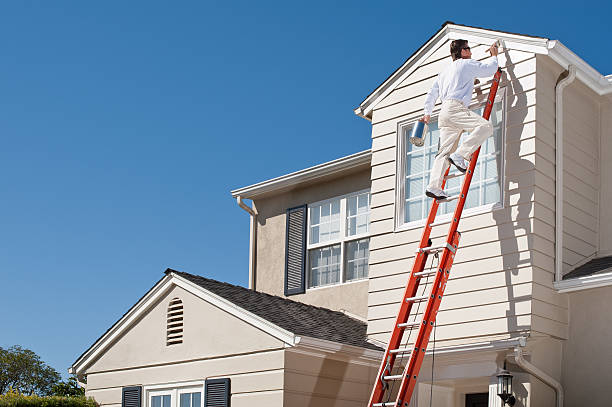
Starting an interior painting project can transform your home by adding personality, vibrancy, and a fresh look to your living spaces. However, proper planning is essential to ensure a successful outcome. Below, we break down the key considerations and steps for starting your interior painting project.
Why Plan Before You Paint?
- Saves Time: Proper preparation helps you avoid delays caused by inadequate tools or unanticipated challenges.
- Reduces Waste: Knowing how much paint and supplies you need reduces unnecessary spending.
- Ensures Quality: A clear plan ensures smoother application and long-lasting results.
Key Steps to Begin Your Interior Painting Project
- Assess the size of the area you want to paint. Measure walls, ceilings, and trim to determine how much paint will be required.
- Look for any cracks, holes, or imperfections in the walls that may need repair before painting begins.
- Identify any obstacles (e.g., furniture placement or unique architectural features) that may affect the painting process.
- Decide whether you’re repainting just one room or tackling multiple spaces.
- Think about the purpose of each room—this may influence color choices and design elements.
- Consider whether you want to change textures (e.g., adding an accent wall with a different finish).
- Calculate expenses for paint, tools, primers, painter’s tape, drop cloths, brushes/rollers, and other supplies.
- Include potential costs for labor if you are considering hiring professionals.
- Choose Colors Wisely
Selecting colors sets the tone for your space’s overall appearance. Opt for shades that align with your vision while complementing existing décor. - Determine Whether DIY or Hiring a Professional Suits You Best
Weigh factors like skill level, time availability, and desired finish quality when deciding between doing it yourself vs hiring experts.
Tools & Supplies Checklist
| Tool/Supply | Purpose | Example Items |
| Paint | Adds color and coverage | Latex-based or oil-based paints |
| Primer | Prepares surfaces for better adhesion | Stain-blocking primer |
| Brushes & Rollers | Used for application | Angled brushes; foam rollers |
| Painter’s Tape | Ensures clean edges | Blue painter’s tape |
| Drop Cloth | Protects floors/furniture from splatters | Canvas drop cloths |
Common Mistakes to Avoid
- Skipping surface prep (e.g., cleaning walls or repairing damage).
- Not testing paint samples on walls beforehand—lighting changes can alter how colors appear in different spaces.
- Using low-quality brushes or rollers that leave streaks behind during application.
Taking these initial steps sets a solid foundation for achieving beautifully painted interiors that elevate your home’s design while reflecting your personal style effectively.
Tips for Assessing Your Space and Setting Clear Goals for Interior Painting
Before beginning an interior painting project, it’s essential to assess your space effectively and define clear objectives for the task. Proper planning not only saves time but also ensures satisfaction with the final result. Below is a comprehensive guide to help you evaluate your space and set realistic goals.
Evaluate the Current Condition of Your Space
- Wall Surface Condition: Look for cracks, peeling paint, stains, or holes that need repair.
- Lighting: Notice how natural light interacts with your walls during different times of day.
- Existing Color: Consider whether dark or bright colors are in place, as they may require additional coats of primer or paint.
- Furnishings and Décor: Assess how existing furniture, cabinetry, and décor might influence color choices.
By noting these factors, you can address surface preparation needs and understand aesthetic directions better.
Define Your Goals
- Calm and neutral for relaxation?
- Bold and vibrant for energy?
- Is it a single room, accent wall, or the entire home?
- For instance:
- Do you need scrubbable surfaces in children’s rooms?
- Should moisture-resistant paints be used in bathrooms?
Having specific answers simplifies both product selection and execution strategies.
Create a Room-by-Room Checklist
| Task | Room A | Room B | Room C |
| Check for damages | ✓ | ✓ | X |
| Measure square footage | ✓ | ✓ | ✓ |
| Determine color preferences | X | ✓ | X |
| Identify paint finishes needed | ✓ | X | X |
This table enables easy tracking across multiple spaces while ensuring all preparatory steps are covered.
Measure Your Space Accurately
- Use a tape measure to determine wall height and width.
- Multiply height by width for each wall area.
- Subtract doorways, windows, or built-ins from the total square footage.
Example calculation: – Wall height = 10 ft; Wall width = 12 ft
Total area = 120 sq ft
Subtract window (15 sq ft) = 105 sq ft
Repeat this process for all walls being painted.
Prioritize Rooms with Purpose
- High-traffic areas (e.g., living rooms) may benefit from durable finishes first.
- Bedrooms can be handled later if less pressing.
By assessing urgency alongside available resources, decisions become more effective.
Benefits of Setting Clear Goals Before Painting
Taking time upfront to plan ensures advantages such as: – Reduced risk of overspending – Fewer unexpected delays – A cohesive design throughout your home – Better alignment between expectations and results
With proper assessment tools in hand and defined objectives outlined clearly, setting yourself up for success becomes significantly easier when starting an interior painting project.
Expert Tips on Choosing the Perfect Colors for Your Interior Walls
Selecting the perfect color for your interior walls is one of the most crucial aspects of an interior painting project. The right color can transform a space, influence mood, and tie together your entire design aesthetic. Below are expert tips to help you make informed decisions when choosing colors for your home.
Understand Color Psychology
- White, beige, gray, and cream create a clean, timeless, and versatile backdrop.
- These colors work well in minimalistic designs or when you want to highlight furniture or artwork.
- Shades like red, orange, and yellow are energetic and inviting.
- They’re ideal for communal areas such as living rooms or dining spaces.
- Blue, green, and purple evoke calmness and relaxation.
- These tones are effective in bedrooms, bathrooms, or home offices.
- Deep hues like navy or charcoal add sophistication but may make small spaces feel enclosed.
Consider Lighting
The way light interacts with paint color significantly influences its appearance. Keep the following in mind: – Rooms with plenty of natural light will amplify lighter shades but might make darker tones feel less intense. – Artificial lighting can alter the perception of color based on its temperature: – Warm lighting enhances warm tones but might dull cooler hues. – Cool lighting complements blues and greens while potentially washing out reds or yellows.
Sample Before You Commit
Before committing to a specific color: 1. Purchase sample-sized paint cans in your shortlisted shades. 2. Test the colors by painting small sections on each wall of the room to see how they look at different times of day. 3. Observe how they appear under varying lighting conditions.
Use Color Harmonies
Achieving balance within a room is easier when you work with basic principles of color harmonies: – Monochromatic Scheme: Focuses on variations of one hue (e.g., light blue paired with navy). This creates a cohesive look but may need texture contrasts to add interest. – Analogous Scheme: Combines colors that sit next to each other on the color wheel (e.g., green with yellow-green). It’s visually pleasing without being too bold. – Complementary Scheme: Pairs opposite hues on the wheel (e.g., blue with orange). This creates high contrast for bold designs.
| Harmony Type | Description | Example Combination |
| Monochromatic | Variations of one hue | Light gray + charcoal |
| Analogous | Neighboring colors on the wheel | Yellow + yellow-green |
| Complementary | Opposite colors with high contrast | Blue + orange |
Match Colors With Room Functionality
It’s essential to align your paint choices with each room’s purpose: – Living Room: Opt for warm neutrals or muted greens to encourage comfort and connection. – Kitchen: Bright whites or soft yellows reflect cleanliness while allowing accents to shine through cabinets and counters. – Bedroom: Stick to restful tones like pale blues or lavender for tranquility. – Bathroom: Light aqua or crisp white offers freshness without overwhelming small spaces.
Use Technology as Your Ally
Take advantage of design apps offered by major paint brands. These tools allow you to upload photos of your space and virtually test various shades before purchasing any samples.
Carefully selecting interior wall colors ensures beautiful results that resonate both aesthetically and emotionally within your home environment while complementing its layout effortlessly.
Choosing the right paint type and finish is an essential aspect of any interior painting project. The perfect combination can enhance aesthetics, improve durability, and even influence how light interacts with your space. Here’s a comprehensive guide to help you make informed decisions when selecting the best paint type and finish for your home.
Types of Interior Paint
- Water-based and highly versatile
- Dries quickly
- Low odor and easy cleanup with soap and water
- Ideal for walls, ceilings, and other general surfaces
- A variation of latex paint with added durability
- Resistant to fading and cracking over time
- Suitable for high-traffic areas or spaces exposed to moisture
- Known for its smooth finish and excellent adhesion
- Takes longer to dry compared to latex paints
- Recommended for trim, moldings, or furniture pieces requiring a hard-wearing surface
| Paint Type | Key Features | Best Applications | Maintenance Needs |
| Latex | Water-based, quick drying | Walls, ceilings | Low maintenance |
| Acrylic | Fade-resistant, durable | Kitchens, bathrooms | Moderate maintenance |
| Oil-Based | Classic smooth finish | Trim work, doors | Requires regular upkeep |
Choosing the Right Finish
The finish of your paint significantly impacts its appearance, light reflection tendencies, and durability.
- Non-reflective surface that hides imperfections well
- Best suited for low-traffic areas like bedrooms or ceilings
- Slightly more reflective than flat finishes yet still understated
- Works well in living rooms or dining rooms
- Has a soft sheen that adds depth while being easy to clean
- Ideal for hallways or children’s rooms
- Reflective surface that withstands moisture exposure well
- Commonly used in kitchens, bathrooms, or trim details
- Offers maximum shine and durability
- Great for furniture accents or cabinets but requires proper surface preparation
Factors to Consider When Selecting Paint
- Room Purpose: Spaces like kitchens require washable paints (e.g., satin or semi-gloss), whereas bedrooms may benefit from calming matte finishes.
- Lighting: Rooms with abundant natural light can handle deeper colors in matte finishes without feeling overwhelming.
- Condition of Surfaces: Imperfections on walls are better hidden by flat or eggshell finishes.
- Durability Needs: High-gloss finishes are more resilient against wear but demand meticulous application.
Combining Paint Types & Finishes Effectively
- Use complementary matte finishes on walls paired with satin or semi-gloss accents on trims.
- Test small patches of different types/finishes under various lighting conditions before committing fully.
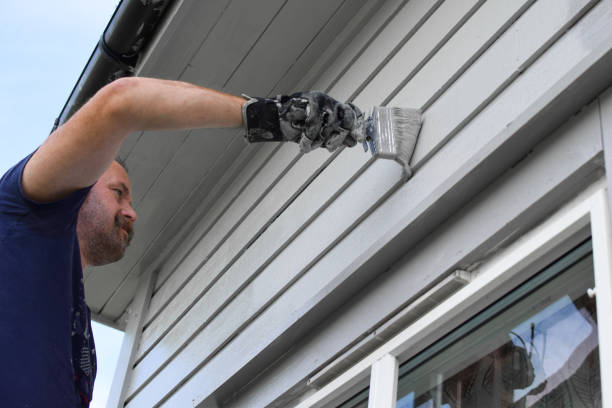
Step-by-Step Guide to Preparing Your Space for an Interior Painting Project
Proper preparation is one of the most critical steps in ensuring a successful interior painting project. Taking the time to ready your space can save you from costly mistakes, reduce clean-up time, and ensure a professional-looking finish. Below is a comprehensive guide to preparing your space for an interior painting project.
Clear the Room
Before starting, remove as much furniture and decor as possible from the room. This will give you ample space to work and help prevent accidental paint splatters on valuable items.
- Take out large furniture pieces such as couches, tables, or beds.
- Remove smaller items like picture frames, lamps, and wall art.
- For items that cannot be moved, push them to the center of the room and cover them with plastic sheeting or drop cloths.
Protect Surfaces
Protecting non-paintable surfaces is key to avoiding unnecessary mess. This step requires attention to detail but ensures that floors, trims, and fixtures remain unspoiled.
- Use drop cloths or plastic sheeting on floors.
- Mask off window frames, trim, door handles, and baseboards with painter’s tape.
- Cover light switches and electrical outlets with tape or remove their covers entirely.
Clean Walls Thoroughly
Dirt, dust, grease spots, and stains can prevent paint from adhering properly. Cleaning your walls ensures a smooth application.
- Use a soft cloth or sponge with mild soap and water to clean the surface.
- For kitchen walls or areas prone to grease buildup, consider using a degreaser.
- Allow walls to dry completely before moving on to the next step.
Repair Imperfections
Inspect your walls for cracks, holes, or peeling paint. A well-prepared surface leads to better results.
- Fill small holes and cracks with spackling paste using a putty knife.
- Sand down uneven areas or peeling paint for a smooth surface.
- Prime repaired spots with a stain-blocking primer if necessary.
| Common Imperfections | How to Address Them |
| Nail holes | Fill with spackle; sand flat |
| Cracks | Use caulk or spackling paste |
| Peeling paint | Sand thoroughly |
Prime Where Necessary
- Painting over dark colors with lighter shades.
- Covering stained areas or previously glossy surfaces.
- Painting new drywall that hasn’t been treated before.
Apply one coat of primer evenly across affected areas and allow it to dry completely before proceeding with your chosen paint color.
Gather Materials and Tools
- Paint trays
- Paint rollers
- Brushes (angled brushes are helpful for edges)
- Painter’s tape
- Drop cloths
- Ladder (if needed)
Final Prepping Steps
- Stir your paint thoroughly before use for even consistency.
- Ensure proper ventilation by opening windows or using fans.
- Test a small section of wall first if you’re unsure about how the color will look in different lighting.
Taking these steps will provide you with an organized foundation so you can focus on achieving beautiful results during your interior painting project without distractions caused by preventable issues.
Understanding the Time Commitment for Florida House Painting Jobs
Completing an interior paint job requires thoughtful planning and a clear understanding of the time involved to ensure success. The timeline for painting can vary based on factors such as room size, surface preparation requirements, the type of paint used, and whether you are tackling the project yourself or hiring professionals. Below is a breakdown of what you should consider when estimating the time needed for an interior painting project.
Factors Influencing Time Commitment
- Larger rooms naturally take longer to paint due to increased wall and ceiling surface areas.
- Small spaces like bathrooms or laundry rooms may only take a few hours to complete, while larger spaces such as living rooms might require multiple days.
- Cleaning walls, removing nails, repairing cracks, sanding surfaces, and applying painter’s tape can be time-consuming steps but are critical for achieving professional results.
- On average, preparation can take 30-50% of your total project time depending on the condition of your walls.
- Most projects require at least two coats of paint for even color coverage.
- Drying time between coats adds several hours to your timeline (typically 2-4 hours per coat).
- Some paints dry faster than others; latex paints usually dry within a few hours whereas oil-based paints may take much longer.
- Specialty finishes like textured or high-gloss may require more precision and extra drying time.
- DIY painting often takes longer due to learning curves and limited tools compared to professional crews who bring experience and efficiency.
Example Time Estimates
| Task | Time Estimate (Hours) |
| Surface Preparation | 4-8 |
| Priming Walls | 2-4 |
| Painting One Coat | 3-6 |
| Drying Between Coats | 2-4 per coat |
| Additional Touch-Ups | 1-3 |
For a standard medium-sized room (approximately 12’x12’), you can expect to spend anywhere from one full day to three days depending on experience and complexity.
Tips for Managing Your Timeline
To ensure your project stays on schedule:
– Plan Ahead: Purchase all supplies in advance so you aren’t delayed by last-minute trips to the store.
– Work in Sections: Break larger projects into smaller areas so progress is steady without feeling overwhelming. – Allow Ample Drying Time: Rushing through drying stages often leads to uneven finishes or smudging. – Hire Help if Necessary: For tight timelines or large-scale projects, professional painters can save significant time while delivering high-quality results.
By accounting for all these elements and creating a realistic timeline, you can avoid unnecessary stress during your interior painting project while ensuring beautiful results that enhance your space.
Budgeting Tips from Professional House Painters Florida Residents Trust
Budgeting effectively for your interior painting project is a critical step to ensure you stay on track financially while achieving your desired results. A well-planned budget helps avoid unexpected costs, ensures high-quality materials are used, and enables you to make informed decisions when hiring professionals or purchasing supplies. Below, we break down key considerations and tips to help you create an effective budget.
1. Determine the Scope of the Project
- Number of Rooms or Walls: Larger spaces or multiple rooms will naturally increase costs.
- Ceiling Height: High ceilings may require specialty equipment such as ladders or scaffolding.
- Condition of Walls: Repairing cracks, holes, or other imperfections might add extra expenses.
- Detail Work Needed: Intricate designs, trims, moldings, or accent walls may require additional time and resources.
Understanding the scope will help you estimate how much you’ll need to allocate for labor, materials, and other essentials.
2. Estimate Material Costs
| Item | Estimated Cost Range |
| Paint (per gallon) | $20 – $70 (depending on type/brand) |
| Primer (per gallon) | $15 – $50 |
| Brushes/Rollers | $10 – $30 |
| Painter’s Tape | $5 – $10 |
| Drop Cloths | $10 – $20 |
| Sandpaper/Filler | $5 – $15 |
To lower expenses without sacrificing quality: – Compare paint brands for durability and coverage. – Purchase materials during sales or use coupons if available.
3. Labor Costs: DIY vs Hiring Professionals
DIY Approach: Pros: – Lower labor costs (you only pay for materials). – Full control over timing and execution. Cons: – Time-intensive (especially for larger projects). – Potential mistakes could lead to additional expenses.
Professional Painters: Pros: – Professional finish with less effort on your part. – Faster completion time due to experience and tools. Cons: – Higher upfront cost due to labor charges.
Professional painters typically charge by square footage. Expect rates between $2-$6 per square foot, depending on location and expertise level.
4. Account for Additional Expenses
- Wall Repairs: Patching drywall or addressing water damage can inflate your budget unexpectedly.
- Furniture Moving/Storage: If heavy furniture needs relocation, factor in moving costs.
- Clean-Up Supplies: Post-paint cleaning supplies like rags and solvents should be included in your plan.
Allocating an extra 10%-15% as a contingency fund is wise to cover any surprises along the way.
5. Prioritize Based on Your Budget
If funds are limited: 1. Focus first on high-impact areas such as living rooms or entryways. 2. Opt for a standard finish (e.g., eggshell instead of high gloss) unless otherwise necessary. 3. Consider postponing non-essential design elements like accent walls until more funds become available.

Final Tips for Staying Within Budget
To keep spending under control throughout the process: 1. Request multiple quotes from contractors before hiring anyone. 2. Track all expenses using spreadsheets or budgeting apps. 3. Stick to your plan once it’s finalized—impulse purchases can derail even well-prepared budgets.
By carefully planning each aspect of your interior painting project—including materials, labor options, and potential extras—you’ll create a realistic budget that aligns with both your vision and financial goals.
Tips for Budgeting Effectively with a Painting Company for Your Interior Project
Budgeting for an interior painting project is a critical step that ensures you stay on track financially while achieving the desired results. Whether you’re looking to refresh a single room or update an entire home, understanding how to allocate your budget can help you avoid unexpected costs and make informed decisions. Below, we outline a detailed guide to help you budget effectively for your painting project.
Factors That Influence Painting Costs
Several elements affect the overall cost of an interior painting project. Being aware of these factors will help you better assess your needs and allocate resources:
– Size of the Space: Larger rooms or homes require more paint, materials, and labor. – Paint Quality: High-quality paints may have a higher upfront cost but often provide better coverage and durability. – Finishes: The type of finish (e.g., matte, satin, gloss) can have cost implications, with specialty finishes typically being more expensive. – Preparation Work: Spaces that require significant prep work—such as repairing walls or removing wallpaper—will increase labor costs. – Professional vs DIY: Hiring professional painters generally incurs higher costs than doing it yourself, but professionals may deliver faster results and higher-quality finishes.
Creating Your Painting Budget
- Measure the Area
Calculate the square footage of the walls you’ll paint. Don’t forget to account for multiple coats if necessary. Knowing this measurement helps estimate paint quantities more accurately. - Research different brands and compare prices for paints that meet your durability and aesthetic needs.
- Factor in additional supplies such as brushes, rollers, painter’s tape, drop cloths, and primers.
- Obtain quotes from at least three professional painters in your area for comparison.
- Ensure estimates include preparation work like patching holes or sanding surfaces.
- Set Aside Extra Funds for Unforeseen Expenses
Unexpected costs can arise during a project. Set aside 10%-20% of your budget as a contingency fund.
Cost Breakdown Table
| Expense Category | Estimated Percentage of Budget | Example Cost Range* |
| Paint | 25%-40% | $30-$80 per gallon |
| Supplies | 10%-20% | $50-$150 |
| Labor (if applicable) | 40%-60% | $200-$600 per room |
| Miscellaneous/Other | 10%-15% | $100-$200 |
*Note: Prices may vary depending on location and specific project requirements.
Tips to Save Money Without Compromising Quality
- Compare prices on materials across various retailers or online stores.
- Consider tackling prep work yourself if you’re confident in basic tasks like cleaning surfaces or filling small holes.
- Opt for neutral tones if you’re on a tight budget; these colors often require fewer coats compared to bold hues.
- Purchase materials during sales or promotions offered by local hardware stores or paint suppliers.
- Reuse tools like brushes and rollers from previous projects if they’re still in good condition.
Final Thoughts on Budget Planning
Creating a well-thought-out budget ensures that you maintain control over expenses while achieving excellent results in your interior painting project. By carefully researching costs, planning for unforeseen expenses, and considering whether professional assistance is necessary, you’ll set yourself up for both financial peace of mind and beautifully painted interiors that align with your vision.
- How to Choose the Right House Painters Florida for Your Interior Project
- How House Painters Florida Can Enhance the Interior of Your Home
- Top Reasons to Hire a Licensed Painting Company for Your Interior Project
- Top Reasons to Hire House Painters Florida for Your Home
- A Complete Guide to Selecting the Right Paint Type and Finish for Your Home
- A Comprehensive Guide to Choosing the Right Painting Company for Your Business
- Essential Tips for Hiring Professionals for Exterior Painting
- Transform Your Home with Expert House Painters Florida Residents Trust
A Comprehensive Guide to Choosing the Right Painting Company for Your Business
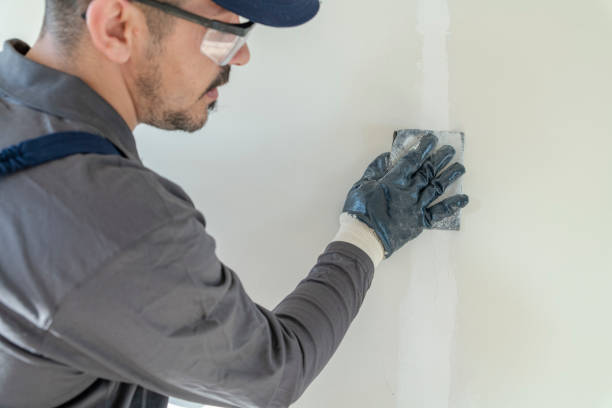
Selecting the right commercial painter for your business is not just about aesthetics; it’s about ensuring quality, professionalism, and long-term value. A skilled and reliable commercial painter can transform your space, enhance its appeal, and even boost employee productivity and customer satisfaction. This guide will help you navigate the process of finding the perfect professional for your project.
Benefits of Hiring a Professional Commercial Painter
- Expertise and Skill: Professional painters have the technical knowledge to deliver high-quality results tailored to different surfaces and materials.
- Efficient Project Management: They work within deadlines, ensuring minimal disruption to your business operations.
- Access to High-Quality Products: Professionals use premium paints and tools that provide better durability and finish.
- Compliance with Safety Standards: Experienced contractors are familiar with safety regulations, protecting both workers and occupants during the project.
- Cost Savings in the Long Run: A professionally completed job reduces maintenance needs over time.
Steps to Choose the Right Commercial Painter
- Look for painters with proven experience in large-scale or similar projects.
- Check their portfolio for examples of past work in commercial spaces.
- Read online reviews on platforms like Google or Yelp.
- Request references from past clients to verify reliability.
- Ensure they have appropriate licenses to operate in your area.
- Confirm they carry liability insurance and workers’ compensation coverage.
- Obtain written estimates that include labor costs, materials, timelines, and any additional charges.
- Avoid vague pricing structures that could lead to unexpected expenses.
- A good contractor will communicate clearly about timelines, potential issues, and expectations throughout the project.
- Inquire about their preparation methods (e.g., surface cleaning or priming).
- Confirm whether they use eco-friendly or low-VOC (volatile organic compound) paints if sustainability is important for your company.
Questions to Ask Potential Candidates
- How long have you been in business?
- Have you worked on projects similar to ours?
- What type of paint products do you recommend for our space?
- How do you minimize disruption during painting projects?
- Can you provide warranties or guarantees on your work?
Checklist for Choosing a Commercial Painter
| Criteria | Yes/No | Notes |
| Licensed & Insured | ||
| Relevant Experience | ||
| Positive Client Reviews | ||
| Transparent Pricing | ||
| Clear Communication |
By considering these factors carefully, you’re more likely to hire a trusted professional who will deliver not only excellent results but also peace of mind throughout the project lifecycle.
Tips for Choosing the Right Exterior Painting Expert for Your Project
Selecting the right commercial painter is a critical step in ensuring your project is completed efficiently, professionally, and within your budget. Commercial painting differs from residential painting due to its scale, complexity, and the potential impact on your business operations. Whether you’re refreshing an office space or revamping a retail store, here’s how to choose the best painter for your needs.
Evaluate Experience and Expertise
- Industry-Specific Experience: Does the painter have expertise in your specific industry (e.g., retail spaces, warehouses, hotels)?
- Project Scale: Have they managed projects of similar size and scope?
- Portfolio: Review their previous work to assess quality and attention to detail.
Check whether they use specialized techniques or materials that align with your project requirements. For example: | Specialty | Examples | |———–|———-| | Coating Types | Epoxy coatings for industrial settings or anti-microbial paints for healthcare facilities | | Surface Types | Concrete walls, metal frameworks, or textured surfaces |
Verify Licensing and Insurance
- Licensing: Check with local authorities if the painter holds up-to-date licenses.
- Liability Insurance: Ensures you won’t be held responsible for accidents or property damage.
- Worker’s Compensation Insurance: Covers injuries sustained by workers on-site.
A reliable painting company should readily provide proof of these credentials.
Assess Communication Skills
- Respond promptly to inquiries.
- Provide detailed quotes outlining costs, timelines, materials, and warranties.
- Offer consistent updates throughout the process.
Look for contractors who take time to understand your vision and provide professional advice when necessary.
Consider Reputation and References
Researching a company’s reputation helps ensure you’re partnering with a trusted professional: – Online Reviews: Browse platforms like Google Reviews or Yelp. – References: Ask the contractor for client references relevant to similar projects. – Accreditations: Check if they are associated with trade organizations or professional bodies like PDCA (Painting Contractors Association).
Take time to contact past clients directly and inquire about their experiences with workmanship quality, timeliness, professionalism, etc.
Examine Pricing Transparency
While it may be tempting to choose the lowest bid, this could lead to subpar results in terms of quality or durability. Instead: – Compare quotes from multiple contractors while ensuring they cover every aspect of labor/materials required. – Ask about potential hidden fees such as prep work costs or cleanup services post-painting.
| Contractor | Base Price | Prep Work Included? | Warranty Duration | Cleanup Costs Included? |
| Painter A | $10,000 | Yes | 2 years | Yes |
| Painter B | $8,500 | No | 1 year | No |
Opting for transparency protects you against unexpected expenses later on.
Inspect Materials and Techniques
High-quality materials ensure long-lasting results: – Ask which paint brands are used—reputable brands offer better durability. – Ensure eco-friendly options like low-VOC paints if sustainability is important.
Furthermore: 1. Learn about surface preparation methods (e.g., power washing). 2. Confirm techniques used per surface type—rolled finishes vs sprayed applications often yield different results depending on area size/texture requirements.
By evaluating these considerations thoughtfully upfront you’ll strengthen likelihood toward seamless execution/completion aligning expectations!
Understanding Priorities and Scope for a Successful Interior Painting Job
When planning a commercial painting project, understanding the priorities and scope is essential to achieving a successful outcome. A clear definition of your project’s goals, limitations, and requirements will ensure that all stakeholders are aligned and that the result meets your expectations. Below are some key steps to define the priorities and scope effectively.
Define Your Goals
- Improving brand identity: Use colors that align with your company’s branding.
- Enhancing customer experience: Create an inviting atmosphere for clients or customers.
- Boosting employee productivity: Promote a positive work environment with suitable color schemes.
- Protecting assets: Extend the life of your building through protective coatings.
By understanding the purpose behind the project, you can better communicate your needs to prospective painters.
Assess the Scope of Work
- Walls (interior or exterior)
- Ceilings
- Floors
- Specialized surfaces like metal or concrete
- Measure square footage for precise estimates.
- Note how many rooms or sections need painting.
- Are there cracks, peeling paint, or water damage?
- Will sanding, priming, or repairs be required before application?
- Specific color palettes or finishes (e.g., matte vs. glossy).
- Anti-slip coatings for floors.
- Compliance with environmental regulations such as VOC (volatile organic compounds) limits.
Budgeting and Timeline Considerations
A well-defined budget and timeline are integral to success. Consider factors like material costs, labor rates, and potential downtime for business operations while setting these parameters.
- Budget Planning: | Expense Category | Estimated Cost Range | |————————-|—————————| | Paint Materials | Medium-high | | Labor | High | | Repairs/Preparation | Low-medium |
- Timeline Management: Outline desired start dates and deadlines while factoring in potential delays due to weather conditions (for exterior projects) or supply chain issues.
Prioritizing Areas
- Entryways: First impressions matter; prioritize these zones for maximum impact.
- Customer-facing spaces: Lobbies, retail spaces, or waiting rooms should reflect professionalism.
- Back-office areas: While less visible to visitors, they should still provide a pleasant working environment.
Communication with Contractors
Once you’ve outlined priorities and scoped out work details internally, share this information clearly with potential painters during consultations. A well-prepared client facilitates accurate estimates and smoother collaboration throughout the process.
By approaching your commercial painting project with defined priorities and a clear scope of work in mind from the beginning, you’ll set yourself up for success—ensuring both efficiency in execution and satisfaction in results.

Essential Tips for Choosing a Reliable Florida House Painting Company
Selecting the right commercial painting company is a critical decision that can profoundly impact the appearance, durability, and overall success of your project. With so many options available, it’s essential to evaluate potential contractors carefully. Here are the key factors to keep in mind when identifying a trustworthy and capable painting partner.
1. Experience and Expertise
- Years in Business: Longevity often indicates stability and consistency in delivering quality results.
- Portfolio of Previous Projects: A review of past work can demonstrate their expertise in handling projects similar to yours, whether it’s an office building, retail space, or industrial facility.
- Specialized Skills: Look for companies with experience in specific needs like high-durability coatings, textured finishes, or working with unique surfaces (e.g., metal or concrete).
2. Licensing and Insurance
- General Liability Insurance: Protects you in case of property damage during the project.
- Workers’ Compensation Insurance: Ensures you won’t be held accountable for any on-site injuries involving painters.
3. Reputation and References
- Read online reviews on platforms such as Google Reviews or Yelp.
- Request references from past clients to gain insights into their experiences with the company.
- Check ratings with organizations like the Better Business Bureau (BBB) for additional verification.
4. Quality Assurance Practices
- Use of high-quality materials and paints from reputable brands.
- Thorough surface preparation techniques to ensure durability.
- Implementation of quality checks during and after project completion.
5. Communication and Customer Service
- Provide detailed proposals outlining scope, timelines, materials, budget estimates, etc.
- Offer prompt responses to inquiries or concerns during the planning phase.
- Show flexibility in accommodating your business operations while minimizing disruption.
6. Pricing Transparency
| Cost Element | What To Look For |
| Detailed Estimates | A clearly itemized breakdown of labor costs, materials, etc. |
| No Hidden Fees | Guarantee against unexpected charges late in the process |
Avoid companies offering significantly lower bids than others; this could indicate subpar quality or hidden costs later on.
7. Warranties and Guarantees
- The duration of warranty coverage (e.g., one year vs five years).
- What aspects are covered—peeling paint? Fading? Improper application?
Having written assurances demonstrates confidence in their craftsmanship.
By focusing on these factors when selecting a commercial painting company, you can minimize risks while ensuring your investment results in a long-lasting finish that meets—and even exceeds—your expectations.
What to Look for in a Professional Commercial Painting Partner
1. Proven Experience and Expertise
A professional painting partner must have substantial experience in handling commercial projects of varying sizes and complexities. Look for:
– Portfolio of Past Projects: Request examples of work similar to yours (e.g., retail spaces, office buildings, warehouses).
– Industry-Specific Knowledge: Painters with expertise in your sector understand unique requirements like safety regulations or branding consistency.
2. Licensing, Insurance, and Certifications
To ensure legal compliance and risk mitigation during the project:
– Verify that they hold the necessary licenses for operating in your area.
– Confirm their insurance coverage, including liability and worker’s compensation to protect against accidents or damages.
– Look for certifications from organizations such as the Painting Contractors Association (PCA), which reflect high industry standards.
| Requirement | Why It Matters | What to Check |
| Licensing | Ensures compliance with laws | Local/state license number |
| Insurance | Coverage for damages & safety | Liability & worker’s comp policies |
| Certifications | Reflects quality standards | PCA membership or similar credentials |
3. Reputation and References
A strong reputation is a hallmark of a dependable commercial painter. Check:
– Online Reviews: Platforms like Google or Yelp provide insights from past clients about timeliness, professionalism, and overall satisfaction. – References: Ask for direct client references to discuss firsthand experiences. – Awards or Recognitions: Industry accolades signal exceptional service.
4. Communication and Transparency
Clear communication ensures your goals align with their approach throughout the project lifecycle. Evaluate their ability to provide:
– Detailed written estimates covering labor, materials, timelines, and any potential additional costs upfront.
– Open channels of communication during planning stages and execution phases.
5. Use of High-Quality Materials & Techniques
Professional painters prioritize durability by recommending premium paints suited to your business environment. Discuss considerations such as:
– Use of non-toxic paints for employee safety. – Appropriate finishes based on traffic levels (e.g., matte vs semi-gloss).
6. Commitment to Deadlines Without Compromising Quality
Timeliness is critical in minimizing disruptions to business operations. When assessing a painting partner’s reliability: – Review their track record for meeting deadlines on past projects. – Ask about contingency plans if unexpected delays occur.
By keeping these factors in mind, you can confidently select a professional commercial painting partner who aligns with your needs while delivering outstanding results tailored specifically for your space.
The Complete Process of Hiring House Painters Florida for Your Commercial Painting Project
When preparing for a commercial painting project, careful planning and thorough execution are essential to ensure success. Whether you’re refreshing the interior look of an office or enhancing the exterior appeal of a retail space, understanding the full process can help you achieve optimal results. Below is a detailed walkthrough of the steps involved in planning and executing a commercial painting project.
Step 1: Define the Scope of Work
The first step is defining the scope of your project. This includes:
– Identifying Areas to Paint: Interior rooms, building exteriors, ceilings, or specific sections.
– Determining Desired Outcomes: Are you looking for aesthetic improvements, protection from weather elements, or both?
– Setting Goals: Establish timeframes and clarify budget constraints.
A clear scope prevents misunderstandings and ensures all stakeholders are aligned.
Step 2: Choose the Right Painting Contractor
Selecting an experienced contractor is critical to achieving professional results. Look for companies that offer:
– Comprehensive services tailored to commercial needs.
– A strong portfolio with references from previous clients.
– Proper licensing and liability insurance coverage.
Research reviews online or request recommendations from industry peers to identify reputable contractors.
Step 3: Conduct Pre-Project Assessments
Before initiating work, an on-site evaluation ensures you fully understand your property’s needs. Most professional painters will conduct these assessments at no additional charge and provide feedback on areas such as:
1. Surface Preparation Requirements (e.g., sanding, pressure washing).
2. Structural Repairs Needed (e.g., cracks or water damage fixes).
3. Environmental Factors (e.g., humidity levels affecting drying times).
These inspections help avoid surprises later in execution.
Step 4: Plan Project Logistics
Effective scheduling is necessary for minimal disruption during business operations: – Timeline Coordination: Choose off-hours or downtime periods for painting activities. – Material Delivery Logistics ensuring paints/tools arrive timely allowing seamless execution
The Complete Process of Planning and Executing a Commercial Painting Project
Planning and executing a commercial painting project requires careful consideration, organization, and communication. A well-planned approach ensures efficiency, cost-effectiveness, and quality results. Below is a step-by-step guide to help businesses navigate the process from start to finish.
Step 1: Assess Your Painting Needs
Before beginning any project, it’s crucial to evaluate your specific needs. Consider the following questions:
– What areas or surfaces need painting?
– Are there any existing damages that require repair before painting?
– Do you have specific color preferences or need assistance in selecting colors?
– What is your desired project timeline?
Compile this information to provide clear direction for both your internal team and the professional painters you hire.
Step 2: Establish a Budget
Determine how much you’re willing to invest in the project. A budget helps narrow down options when selecting contractors. Keep in mind that while cost is important, it should not be the sole determining factor—quality of work and experience matter equally.
Budget Considerations:
| Expense Category | Example Costs |
| Labor | Hourly rates or flat project fees |
| Materials (paint, tools) | Brand-specific pricing variations |
| Preparation (repairs) | Surface priming, patching |
| Miscellaneous (permits) | Regulatory compliance fees |
Step 3: Research Qualified Contractors
Finding the right commercial painter is critical for a successful project. Look for contractors with proven experience in similar projects within your industry. Some steps include:
– Reading online reviews and testimonials.
– Checking certifications and licensing.
– Asking for examples of previous work or portfolios.
– Seeking referrals from trusted peers in your network.
Step 4: Collaborate on Project Planning
Once you select a contractor, collaborate on creating a detailed plan that outlines expectations, responsibilities, and timelines. Ensure the following elements are covered: 1. Scope of Work – Specify areas to be painted, required preparation work (e.g., cleaning walls), and estimated completion time. 2. Material Selection – Choose paint types suited for commercial applications such as low-VOC paints for eco-friendly buildings or high-durability coatings. 3. Work Schedule – Plan around business hours to minimize disruption.
Step 5: Preparation Phase
Proper preparation sets the foundation for long-lasting results: – Clear furniture, equipment, or fixtures from areas being painted. – Repair damaged surfaces like cracks or holes prior to painting. – Ensure surfaces are cleaned thoroughly to remove dirt or grease. – Apply primers where necessary for better paint adhesion.
Step 6: Execution by Professionals
During this phase: 1. Monitor progress periodically while allowing contractors space to perform their tasks efficiently. 2. Communicate any concerns immediately so adjustments can be made promptly without delaying progress. 3. Track expenses against your budget regularly.
Step 7: Inspection & Quality Assurance
Once painting is complete: – Inspect all surfaces thoroughly to ensure even application of paint without streaks or uneven patches. – Request touch-ups if needed before making final payment. – Obtain warranties or guarantees offered by contractors as added assurance of their workmanship.
By following these steps diligently throughout planning and execution phases of your commercial painting project’s lifecycle ensures high-quality outcomes tailored precisely around business requirements effectively maintaining timelines/budget adding long term benefits professionally.
- How to Choose the Right House Painters Florida for Your Interior Project
- How House Painters Florida Can Enhance the Interior of Your Home
- Top Reasons to Hire a Licensed Painting Company for Your Interior Project
- Top Reasons to Hire House Painters Florida for Your Home
- A Complete Guide to Selecting the Right Paint Type and Finish for Your Home
- A Comprehensive Guide to Choosing the Right Painting Company for Your Business
- Essential Tips for Hiring Professionals for Exterior Painting
- Transform Your Home with Expert House Painters Florida Residents Trust